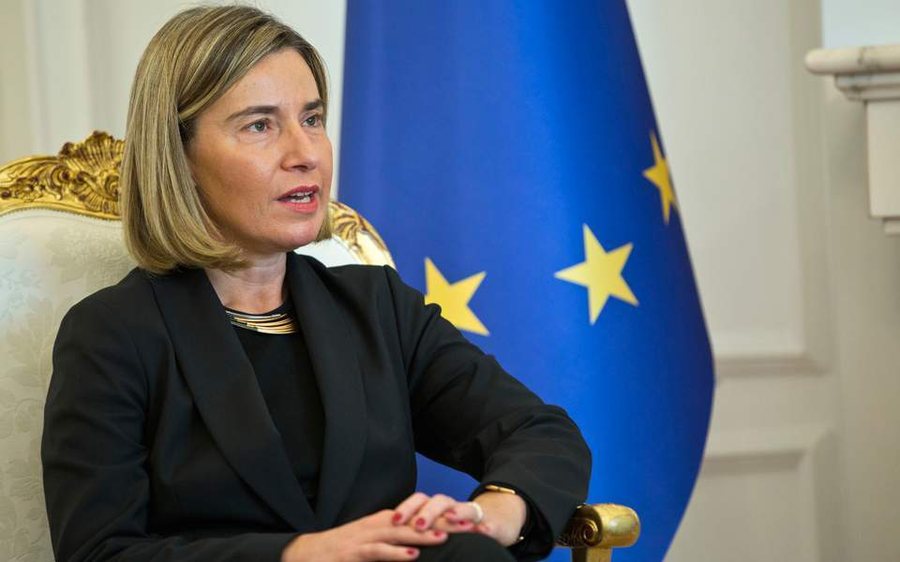
Belgian authorities arrested former EU foreign affairs chief Federica Mogherini today. They are investigating suspected fraud in EU-funded training programs for junior diplomats.
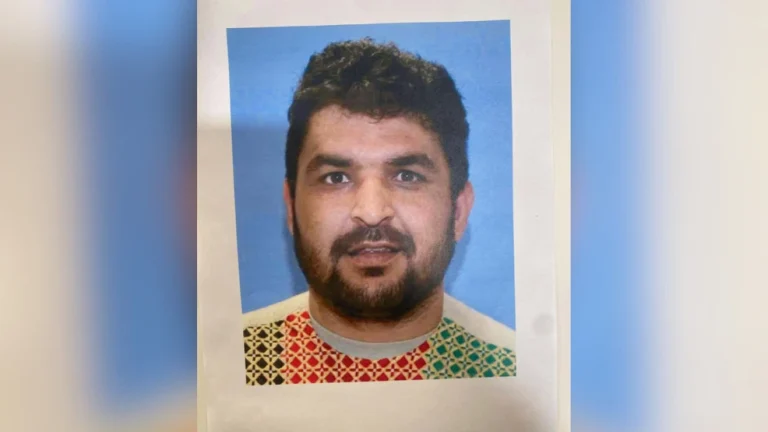
Two other individuals from diplomatic circles were also arrested. One is Stefano Sannino, former secretary general of the EU External Action Service, who now serves as a European Commission director.
Raids at Key Locations
Police raided the Brussels headquarters of the European External Action Service and several College of Europe buildings in Bruges. Officers also searched the homes of all suspects to collect evidence.
The European Public Prosecutor’s Office (EPPO) leads the investigation. It handles criminal cases involving EU funds across 24 member states. Investigators aim to determine if anyone broke rules during the awarding of the training contract.
Focus of the Investigation
Authorities suspect that the College of Europe or its representatives received confidential information before the official tender launch. The tender awarded the College the European Union Diplomatic Academy contract for 2021–22.
Investigators are probing possible procurement fraud, corruption, and conflicts of interest. EPPO lifted the suspects’ immunity to allow the investigation to proceed fully.
Responses from Institutions
The College of Europe said it is cooperating fully with authorities and remains committed to transparency, fairness, and integrity.
The European Commission confirmed the investigation is ongoing but refused to comment on suspect names. One EU diplomat praised the probe, saying it shows the EU will hold high-profile officials accountable.
Implications of the Case
This investigation represents one of the most high-profile EU fraud probes in recent years. It involves a former top diplomat and a prestigious European academic institution that trains future EU officials.
Experts warn the case could shake trust in EU-funded programs. Authorities have not filed charges yet. All suspects remain presumed innocent until courts rule otherwise.
EPPO wants to determine whether criminal offenses occurred and ensure EU funds are managed according to the law. Analysts say the outcome could influence future rules for public contracts and training programs across the EU.
About The Author