A medical breakthrough once imagined only in sci-fi is now offering real hope to people with one of the deadliest blood cancers. Doctors in London report that a highly engineered immune therapy has pushed aggressive, treatment-resistant leukemia into remission in the majority of patients who received it.
The approach uses base editing — an ultra-precise form of genetic engineering — to redesign healthy donor immune cells so they can seek and destroy cancer with remarkable accuracy. These living, modified cells act like a personalized drug, and for some patients, they appear to be life-saving.
A teenager who had run out of options
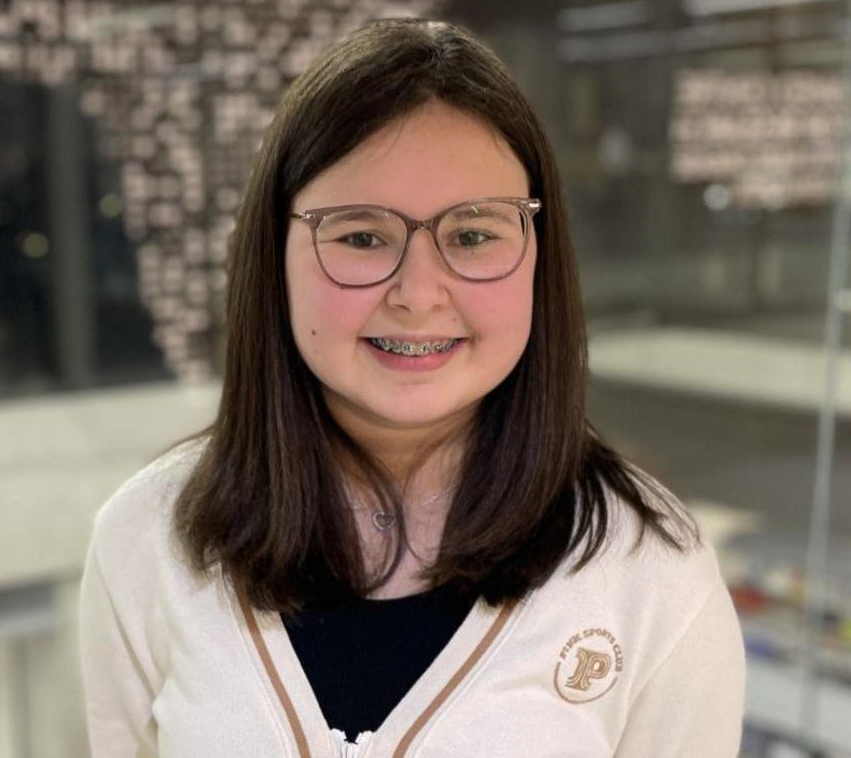
The first patient was 16-year-old Alyssa Tapley, who had a form of T-cell acute lymphoblastic leukemia that no longer responded to chemotherapy or a bone-marrow transplant. With no conventional treatments left, she believed she was facing the end of her life.
“I truly thought I wouldn’t make it,” she said. “I didn’t think I’d get the chance to grow up or plan my future.”
But Alyssa became the first person to receive the new therapy at Great Ormond Street Hospital in 2022. Her cancer has been undetectable ever since. Now she is preparing for A-levels, doing the Duke of Edinburgh Award, thinking about driving lessons, and dreaming of a future career in cancer research.
How the therapy rewrites the immune system
The treatment works by taking healthy donor T-cells and editing the DNA inside them. Base editing allows scientists to precisely change a single “letter” in the genetic code — an incredibly delicate adjustment that transforms the behavior of the cell.
For this therapy, researchers made four key edits that allow the donor cells to:
- avoid attacking the patient’s own tissues
- remove the CD7 marker so the engineered cells don’t eliminate each other
- survive a chemotherapy drug used during treatment
- target and destroy any T-cell carrying the CD7 marker — including the cancer cells
Once infused into the patient, the modified cells eliminate all T-cells in the body, healthy and diseased alike. If no cancer is detected after four weeks, doctors perform a bone-marrow transplant to rebuild a new, healthy immune system.
Promising early results
The study, published in the New England Journal of Medicine, followed the first 11 patients treated at Great Ormond Street and King’s College Hospital. All had extremely advanced leukemia and had exhausted every standard therapy.
About The Author