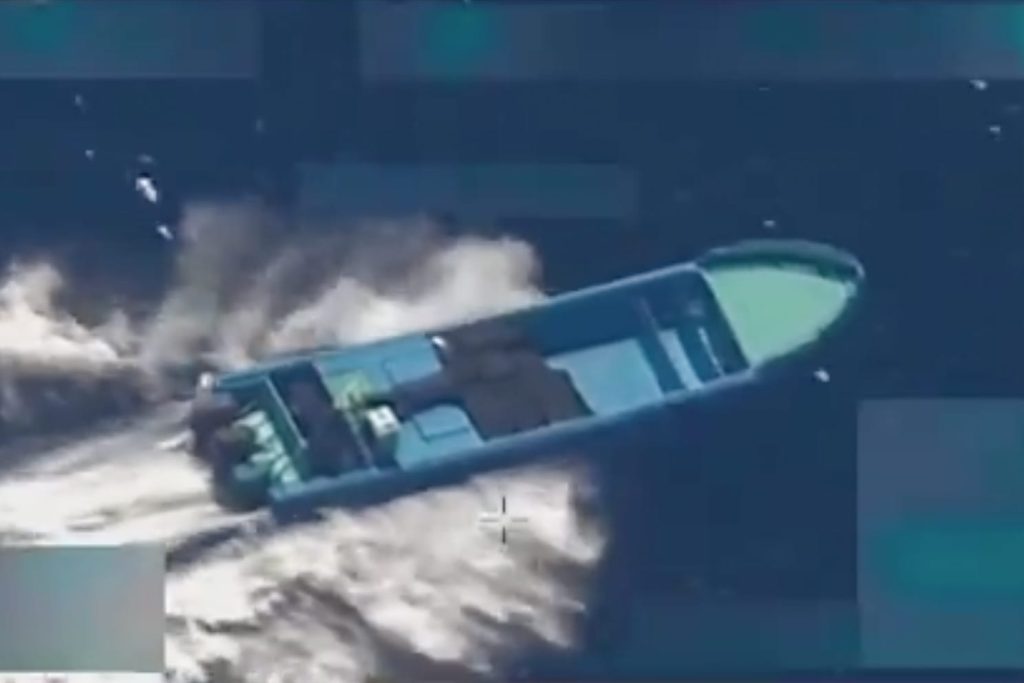
A heated debate has erupted in Washington over a U.S. military strike video showing an alleged drug-smuggling boat in the Caribbean. Meanwhile, Democrats are demanding that the footage be made public, arguing it could clarify the legality of a deadly follow-up strike. At the same time, some Republicans indicate they would not oppose the Pentagon’s declassification if sensitive information remains protected
The Deadly Strike
The attack on 2 September left eleven people dead. In addition, two men died in a follow-up strike after reportedly clinging to wreckage for an hour. Initially, reports claimed Defense Secretary Pete Hegseth had ordered that survivors be killed, sparking accusations of war crimes. However, Admiral Frank Bradley, who oversaw the operation, told Congress that no such order existed. Consequently, the Pentagon defended the strike as lawful under international standards.
Republican Calls for Transparency
Senator Tom Cotton of Arkansas, a staunch supporter of Trump’s campaign against drug traffickers, emphasized the need for public clarity. Moreover, he stated, “The public deserves transparency about what happened.” Cotton stressed that accountability strengthens trust in U.S. operations abroad.
Democrats Demand Accountability
Democrats insist the video must be released. For example, Jim Himes, top Democrat on the House Intelligence Committee, described the footage as “profoundly shaking” and said bipartisan scrutiny is critical. After reviewing lethal-action videos for years, often in terrorism contexts, Himes added, “This video raises urgent questions about oversight and ethics.”
Pentagon Reviews Release
The Trump administration has expressed openness to releasing the footage. However, Pentagon officials caution that some details could compromise national security. As a result, Hegseth said, “We are reviewing the process carefully. We want to ensure sensitive operational information is not exposed.”
Broader Implications
This controversy highlights ongoing tensions over military transparency, ethical use of force, and public trust in government. In contrast, some analysts suggest that mishandling the release could damage both domestic perception and international confidence in U.S. military conduct. Additionally, the debate raises questions about accountability in operations conducted outside active warzones.
Looking Ahead
Lawmakers continue to debate the release, and as a result, the coming weeks may determine whether the video sees the light of day. Ultimately, the outcome could have lasting effects on U.S. military policy, congressional oversight, and public confidence in military operations abroad.
About The Author