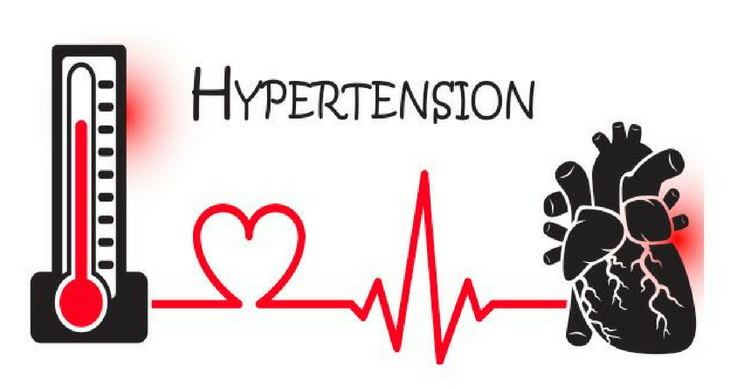
High blood pressure, or hypertension, affects roughly 1.4 billion people worldwide in 2024. The World Heart Federation reports it as the leading risk factor for death, contributing to nearly half of heart disease and stroke fatalities globally. High blood pressure increases risks for heart attack, stroke, heart failure, chronic kidney disease, dementia, and vision loss. While genetics and ethnicity cannot be changed, lifestyle factors such as diet, exercise, maintaining healthy weight, and stress management can help reduce risk.
How Nutrients Affect Blood Pressure
Certain nutrients, including potassium, magnesium, calcium, and fiber, are important for maintaining healthy blood pressure. Many adults in the U.S. and Europe take daily multivitamins to ensure they meet their nutritional needs, with more than one-third reporting regular use. A new study published in the American Journal of Hypertension investigated whether long-term multivitamin use could reduce blood pressure risk, particularly in older adults with low-quality diets.
Insights From the COSMOS Study
The study analyzed data from the COcoa and Multivitamin Outcomes Study (COSMOS) trial, which included about 8,900 participants: women aged 65+ and men aged 60+. COSMOS initially tested cocoa extract and multivitamin-mineral (MVM) supplements on overall health. According to Dr. Rikuta Hamaya, lead author, “Hypertension remains common in older adults. Vitamins and minerals help regulate blood pressure, and multivitamins could be an accessible preventive tool.” Unlike previous studies on single nutrients, this study examined comprehensive multivitamins that provide a broad spectrum of micronutrients.
Benefits for Those With Low-Quality Diets
Overall, multivitamins did not significantly change blood pressure for the general population. However, participants with lower diet quality—assessed by Alternative Healthy Eating Index (AHEI) and Alternate Mediterranean Diet (aMED) scores—experienced modest but meaningful improvements. Dr. Hamaya explained, “People with low-quality diets often lack potassium, magnesium, and antioxidants. Multivitamins can restore these nutrients, while those with healthy diets may see little benefit.” Notably, participants with normal baseline blood pressure benefited the most, suggesting multivitamins may work best as an early preventative strategy before hypertension develops.
Expert Insights and Future Research

Dr. Cheng-Han Chen, cardiologist at Saddleback Medical Center, noted that multivitamins may benefit older adults with poor diets, though overall effects in the general population were minimal. Researchers emphasize the need for further studies in younger and more diverse populations to confirm whether these benefits extend beyond older adults. The findings highlight a potential avenue for improving blood pressure management through dietary supplementation, especially for individuals with nutrient gaps.
Takeaway
Daily multivitamins may support blood pressure health in older adults with low-quality diets. They are not a substitute for a healthy diet, but supplementation could be a simple, accessible tool for cardiovascular health. Early preventive use may help maintain normal blood pressure before vascular damage or chronic hypertension develops
About The Author