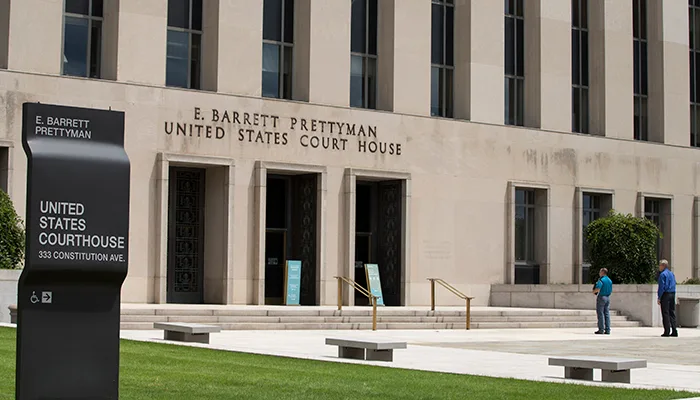




The U.S. Court of Appeals for the District of Columbia delivered a major legal shift that strengthens presidential control over federal labor agencies.
Court Rejects Old Limits on Presidential Removal Authority
A three-judge panel ruled 2–1 that any president can remove members of the National Labor Relations Board and the Merit Systems Protection Board without showing cause.
The ruling gives the White House clear authority over officials who shape national labor policy.

Judges Lean on Recent Supreme Court Precedents
Judge Neomi Rao wrote the majority opinion and stressed that the Constitution gives the president full removal power over senior executive officers.
Judge Justin Walker agreed with the reasoning.
Both judges relied on Supreme Court decisions like Seila Law, Collins v. Yellen, and Trump v. United States.
How the Legal Battle Started
Two lawsuits triggered the dispute.
Cathy Harris challenged the administration after a conflict over her role at the MSPB.
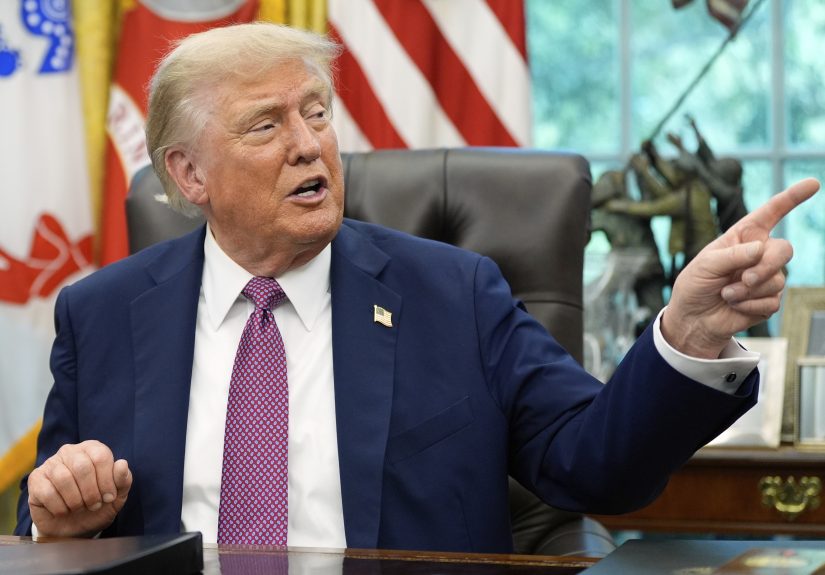
Gwynne Wilcox filed a separate case after President Trump removed her from the NLRB.
Both claimed federal law protected them from removal without cause.
Lower courts supported their arguments and reinstated them.
Appeals Court Overturns Those Rulings
The D.C. Circuit rejected the lower courts’ view.
The judges said the NLRB and MSPB perform essential executive duties that require accountability to the president.
Why the NLRB Falls Under Executive Control
The court highlighted several powerful NLRB functions:
- The NLRB creates labor regulations that affect national collective bargaining.
- It issues decisions that regularly shift policy with political changes.
- It orders backpay, reinstatement, and strong enforcement measures.
- It brings cases to federal court without the Department of Justice.
- It controls union elections and bargaining-unit structures nationwide.
These powers show clear executive authority.
MSPB Holds Even Broader Executive Powers
The MSPB can reverse agency disciplinary decisions and award compensation, penalties, and attorney’s fees.
The court said these actions place the board firmly under presidential oversight.
Supreme Court Signals Strengthened the Decision
Earlier this year, the Supreme Court blocked lower court orders that reinstated the fired officials.
Chief Justice John Roberts issued that stay and noted the agencies likely exercise significant executive authority.
The appeals court used that signal to support its final ruling.
READ THE RULING BELOW:
About The Author
