
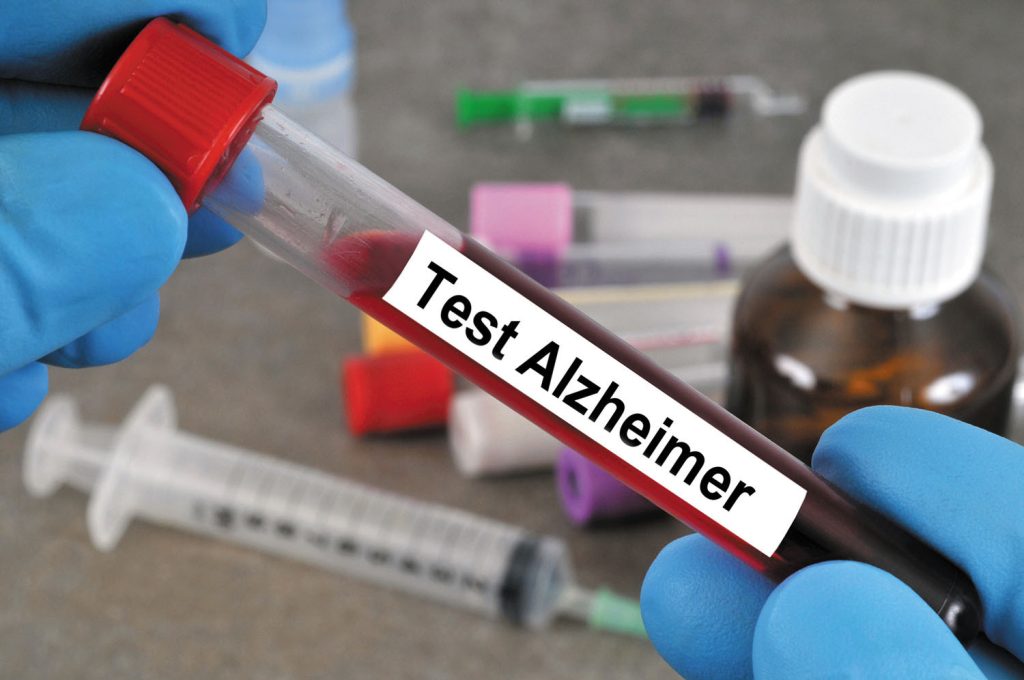
A major breakthrough in Alzheimer’s care is now a reality. The U.S. Food and Drug Administration has approved a blood test that could revolutionize early detection of the disease. Developed by Roche, the Elecsys pTau181 test measures a specific form of tau protein in the blood—a key marker linked to dementia. Alongside amyloid, tau accumulates in the brain and interferes with communication between nerve cells, causing memory loss and cognitive decline.
This test had already received approval in Europe, making it the first early-screening tool for Alzheimer’s available for primary care in the world’s two largest pharmaceutical markets. Experts predict that more blood-based tests will follow soon, potentially changing how the disease is diagnosed globally.
How the Test Works
Elecsys pTau181 detects a phosphorylated form of tau protein in blood plasma. Higher levels often indicate the presence of amyloid plaques and tau tangles in the brain—the hallmarks of Alzheimer’s disease.
Other tests, such as Lumipulse from Japan’s Fujirebio, measure different biomarkers, like the ratio of pTau217 to amyloid-beta 1-42. While these blood tests are helpful for early detection, confirmatory tests such as PET scans or cerebrospinal fluid analysis are still needed. Full diagnostic certainty remains possible only after post-mortem examination.
Why Now Is the Right Time
Early detection has become more important with the introduction of monoclonal antibody treatments for Alzheimer’s. These drugs are most effective when administered in the early stages of the disease, making accessible screening tools essential.
Blood tests allow doctors to screen patients efficiently, avoiding the need for invasive or expensive procedures on everyone showing mild cognitive changes. They serve as a first step in identifying patients who may benefit from further evaluation and treatment.
The Benefits and Limitations
Elecsys pTau181 is designed for use at the primary care level, making it accessible and minimally invasive. Its negative predictive value is impressive—about 98% in populations with low prevalence of amyloid pathology—helping doctors rule out the disease effectively.
However, the test is not perfect. Around 15–30% of patients fall into a gray zone where results are inconclusive. Positive results alone cannot confirm Alzheimer’s, which is why blood tests should always be interpreted alongside clinical evaluation.
Treatment Considerations
Monoclonal antibody therapies can slow cognitive decline but are not cures. They are expensive, and side effects can be serious. Blood tests can help identify patients who may benefit, but the medications only modestly alter disease progression.
Should You Take a Test?
Experts advise against using these tests for casual curiosity. False positives are possible, especially in people without symptoms, which can cause unnecessary stress. Blood testing for Alzheimer’s should always be guided by a healthcare professional.
Key Information: Blood tests like Elecsys pTau181 make early Alzheimer’s screening more practical, helping doctors identify at-risk patients sooner. While they don’t replace confirmatory testing or treatment, they represent a major step forward in dementia care.
About The Author