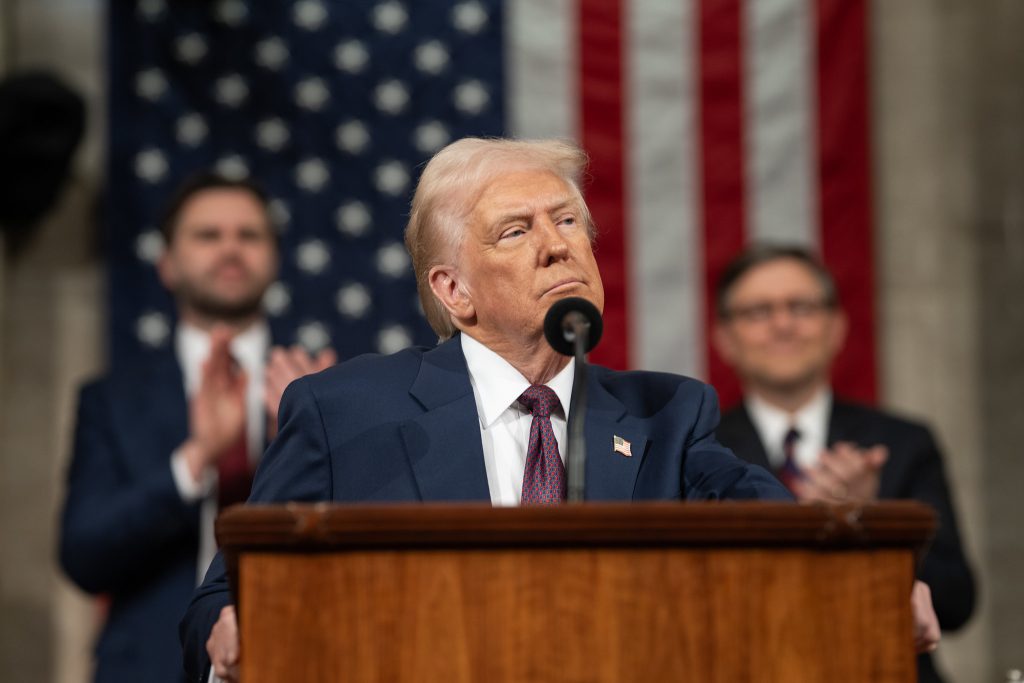
Donald Trump’s second term is taking shape fast and is being driven by an increasingly aggressive foreign policy. After a dramatic U.S. operation that removed Venezuelan leader Nicolás Maduro, attention immediately shifted to what may come next. While announcing the mission, Trump revived the Monroe Doctrine, rebranding it the “Donroe Doctrine,” and made clear that the United States intends to reassert dominance in its traditional sphere of influence — and beyond. In recent days, his warnings and remarks have raised alarms across multiple regions.
Greenland: Ice, Influence, and Resources
The United States already maintains a military base on Greenland, but Trump has made it clear he wants more than a limited presence. He has described the vast Arctic island as essential to national security, pointing to increased Russian and Chinese activity in the region. Greenland is also rich in rare earth minerals, which are critical for modern technology, electric vehicles, and military systems. Its strategic position in the North Atlantic only adds to its importance as Arctic shipping routes expand.
Greenland’s leadership has firmly rejected Trump’s interest. The prime minister dismissed any suggestion of U.S. control as unrealistic and stressed that sovereignty is not open for negotiation. Any forced move would place Washington in direct conflict with Denmark, a NATO ally, and could seriously strain the alliance.
Colombia: A Sudden Shift
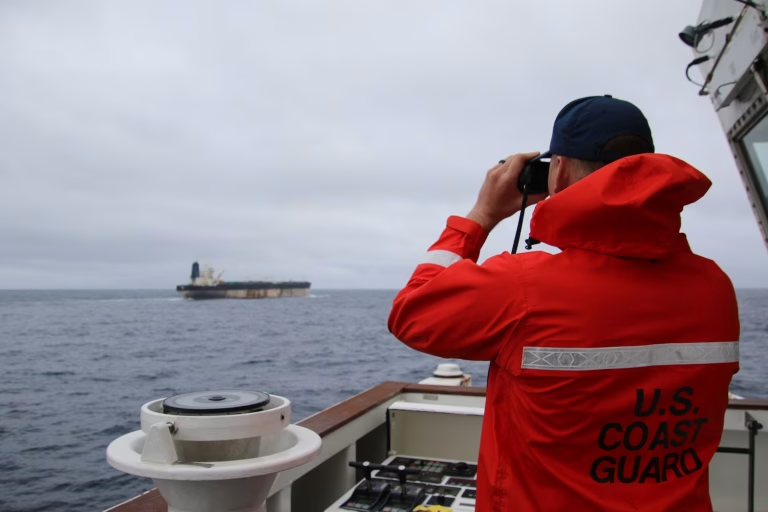
Colombia has long been one of Washington’s closest regional partners, but that relationship now appears increasingly strained. Trump has accused the country’s leadership of allowing drug cartels to flourish and imposed sanctions months ago. Tensions escalated further after U.S. forces began striking vessels in regional waters, which Washington claims were linked to narcotics trafficking.
Trump has suggested Colombia’s leadership may not remain in power for long and has openly entertained the idea of intervention. The rhetoric marks a sharp departure from decades of cooperation and has raised concerns about regional stability.
Iran: Pressure Beyond the Hemisphere
Although Iran lies outside Trump’s hemispheric focus, it remains firmly on his radar. Amid widespread anti-government protests, Trump warned Tehran against violent crackdowns, saying any killings would bring severe consequences. His remarks follow last year’s U.S. strikes on Iranian nuclear facilities and a brief but intense Israel-Iran conflict.
Iran reportedly dominated discussions during Trump’s recent meeting with Israeli leaders, fueling speculation that further action could be considered in the coming year. For now, Washington’s message remains one of pressure and deterrence.
Mexico: Cartels and the Border
Trump’s relationship with Mexico has long been tense, and his return to office has only intensified it. He continues to accuse Mexican authorities of failing to stop drug trafficking and illegal crossings, claiming narcotics are flooding into the United States. He has even floated the idea of deploying U.S. troops to fight cartels inside Mexico.
Mexico’s president has firmly rejected any foreign military presence on Mexican soil. Despite that resistance, pressure from Washington continues to mount, keeping the bilateral relationship on edge.
Cuba: A System Under Strain
Cuba may also be entering a critical phase. For years, the island relied heavily on Venezuela for oil, but with that support gone, economic pressure is rising rapidly. Trump has suggested Cuba is already close to collapse and that military intervention may not be necessary.
Senior U.S. officials have echoed that assessment, hinting that political change could come sooner than expected. With Venezuela no longer acting as a lifeline, Havana appears increasingly exposed.
What Comes Next?
Venezuela has already reshaped regional dynamics, and Trump’s rhetoric suggests a broader strategy is unfolding. It focuses on security, resources, and influence. Whether these warnings turn into action remains uncertain, but the signal from Washington is unmistakable. America’s neighbors — and the wider world — are watching closely.
About The Author