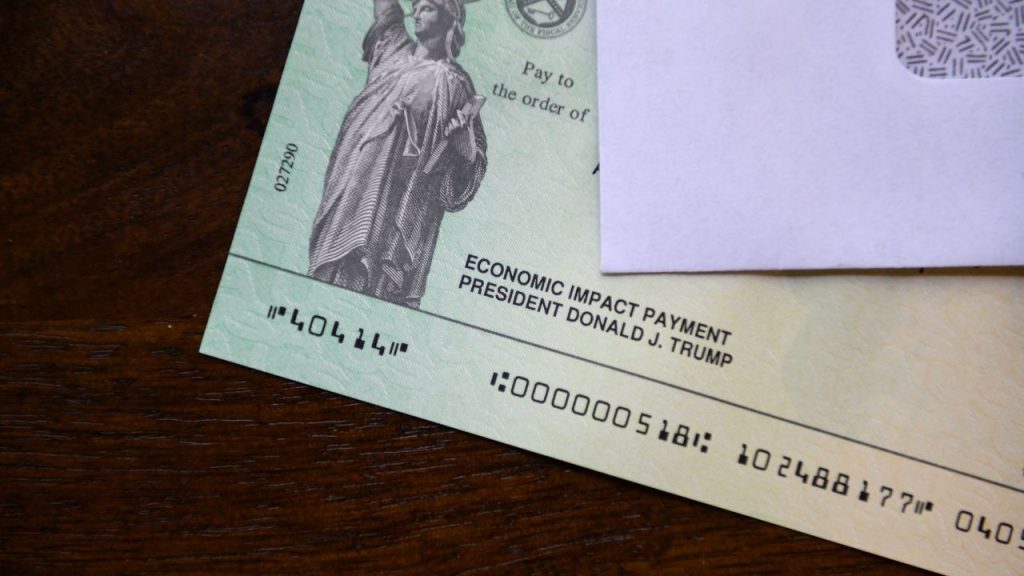
As the 2026 elections approach, debate continues over President Donald Trump’s proposed $2,000 stimulus checks. Trump says the payments would target low- and middle-income Americans and use revenue generated by broad import tariffs. He has suggested the checks could arrive in mid-to-late 2026.
Legal and Political Challenges Remain
Several obstacles still stand in the plan’s path. A pending Supreme Court case will determine whether the tariffs remain legally valid. Lawmakers also question whether tariff revenue could sustain large-scale payments. Any stimulus plan would still require congressional approval.
Republican Lawmakers Raise Concerns
Trump has promoted the proposal since July, but passage remains uncertain. Some Republican lawmakers have expressed doubts about the plan’s cost and feasibility. Ohio Senator Bernie Moreno has argued that tariff revenue should reduce the national debt. The federal debt currently stands near $38 trillion.
Administration Officials Offer Mixed Views
Members of Trump’s administration have voiced differing opinions. Treasury Secretary Scott Bessent suggested limiting eligibility to individuals earning under $100,000 annually. Commerce Secretary Howard Lutnick has publicly defended the idea of issuing rebate checks.
Hassett Says Congress Will Decide
White House economic adviser Kevin Hassett recently addressed the proposal on Face the Nation. He said Congress will ultimately decide the plan’s fate. Hassett noted the federal deficit dropped by $600 billion compared to last year. He said that improvement could create room for stimulus payments.
Cost Estimates and Revenue Projections
Hassett expects Trump to submit a formal proposal to Congress in the new year. Lawmakers would then need to draft legislation to authorize funding. The Tax Foundation estimates the plan could cost between $279.8 billion and $606.8 billion. The group projects tariffs could generate about $207.5 billion in revenue during 2026.
Funding Sources Beyond Tariffs
Tariffs have already produced roughly $205 billion through October, with more expected by late 2025. Hassett said funding could come from multiple revenue sources. He emphasized that Congress controls spending decisions through the appropriations process.
Trump Reaffirms Payment Timeline
Trump has continued to state that the $2,000 payments remain planned. He recently suggested eligible Americans could receive the funds around mid-next year. Trump described the payments as dividends aimed at supporting moderate-income households.
Military Bonuses Announced Separately
Trump separately announced bonuses for U.S. military service members during a nationwide address. He said about 1.45 million troops would receive $1,776 payments by year’s end. Trump called the bonuses “Warrior Dividends” and cited tariff revenue as the funding source. He said officials had planned the payments quietly and that checks were already being processed.
About The Author