The UK and the United States have completed a new agreement that protects British pharmaceutical exports. The deal keeps US tariffs at zero for three years. In return, the UK will allow higher medicine prices through the NHS. This change marks a major shift in the country’s drug-funding strategy.
Tariff Threats Pressured the UK Government
President Donald Trump had threatened tariffs of up to 100% on imported branded drugs. His warnings created uncertainty for British companies. The US is the biggest market for GSK and AstraZeneca. Earlier this year, the White House raised tariffs on many imported goods. The policy aimed to support US manufacturing and protect American jobs. Pharmaceuticals were exempt, but officials kept expressing concern. They argued the US relied too heavily on foreign drug suppliers.
The administration also claimed Americans paid inflated prices. Officials said other wealthy countries paid too little for advanced medicines. White House spokesperson Kush Desai called the new deal a “historic step.” He said it brings more fairness to global drug pricing.
What the UK Promised in the Agreement
The UK committed to major changes in its approach to medicine costs. The NHS will raise its cost-effectiveness threshold by 25%. This threshold guides decisions about new treatments. The UK will also increase overall drug spending. Spending will rise from 0.3% to 0.6% of GDP over ten years. The rebate system for pharmaceutical companies will change as well. The payback limit will fall to 15%, down from more than 20%. These measures support innovation and reduce financial tension within the system.
In return, the US guaranteed zero tariffs on UK medicine exports. This protection will last for three years. It offers stability for British drug manufacturers.
A Vital Boost for UK Pharmaceutical Exports
Pharmaceutical exports are essential for the UK economy. In the year to September, the UK sent £11.1bn in medicines to the US. That figure accounted for more than 17% of total UK goods exports. Business and Trade Secretary Peter Kyle welcomed the agreement. He said it protects jobs and secures vital revenue. He also said it strengthens the UK’s status in global life sciences.
Industry Friction and Shifting Corporate Investment
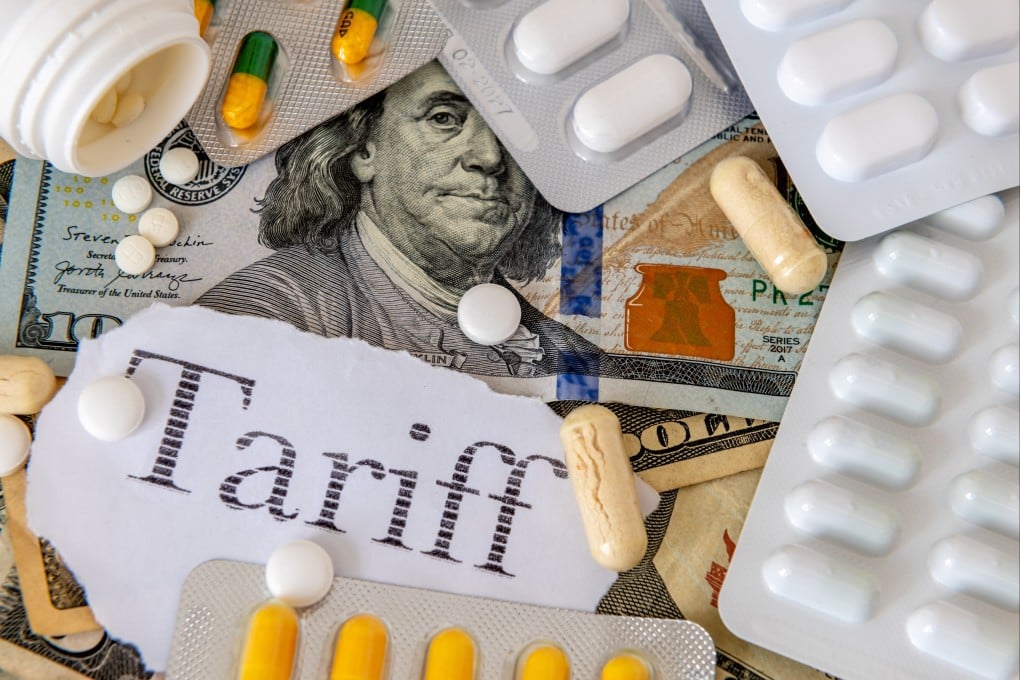
The agreement arrives after rising tension between drug companies and the government. Talks over pricing had stalled earlier this year. In August, Health Secretary Wes Streeting criticised pharmaceutical firms. He said they attempted to overcharge the NHS. Soon after, Science Minister Sir Patrick Vallance changed tone. He said NHS drug spending had fallen too low. He supported higher investment to fix long-term issues.
Concerns about UK competitiveness have grown sharply. Several investment plans were cancelled or delayed. Merck abandoned a £1bn expansion in the UK. AstraZeneca paused a £200m research project in Cambridge. Both GSK and AstraZeneca announced huge US investments instead. GSK committed $30bn over five years. AstraZeneca pledged $50bn for US manufacturing and research.
Industry leaders hope the new agreement will stabilise the UK sector. They want stronger investment and clearer government support.
A Unique Zero-Tariff Position for the UK
The UK now holds a unique advantage in the global market. It is the only country with a guaranteed zero-tariff route for US pharmaceutical shipments. EU exports are expected to face tariffs of up to 15%. US Health Secretary Robert Kennedy Jr supported the deal. He said US patients should not carry the world’s highest drug costs. He also said the agreement brings better balance to both markets.
What Comes Next for the Sector
Business groups praised the final deal. William Bain from the British Chambers of Commerce welcomed the result. He said it boosts confidence and strengthens the UK’s competitive position. The government hopes the agreement will encourage renewed investment. Officials also expect stronger partnerships between the UK and US.
The sector now watches closely for the next steps. Many companies want faster approvals and clearer pricing rules. They believe these improvements will secure long-term growth and stability.
About The Author