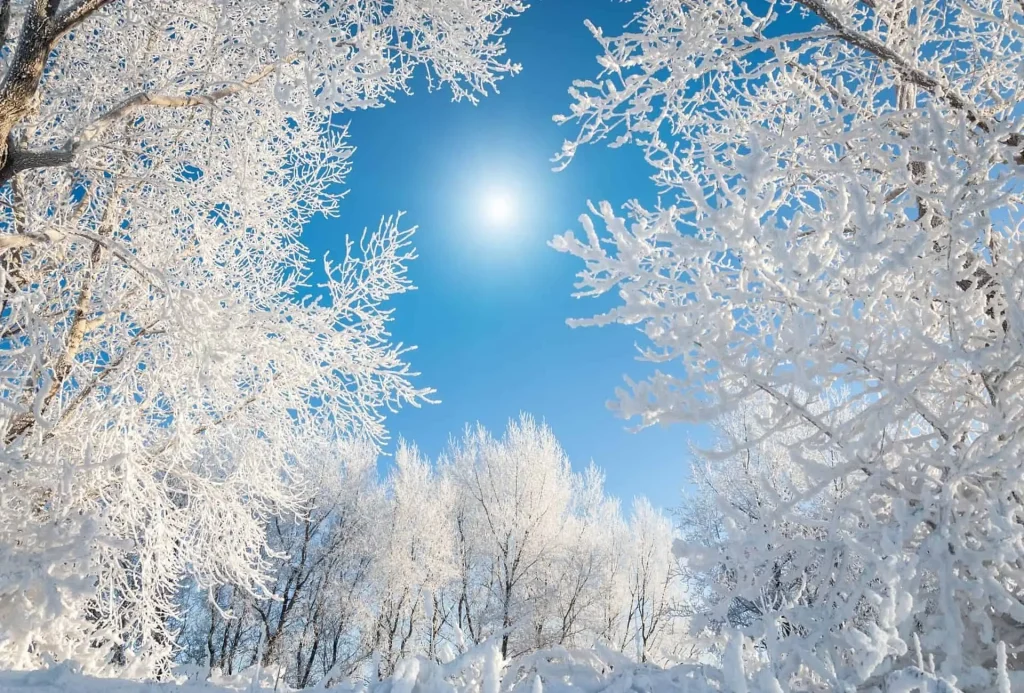
A massive winter storm recently swept across the Midwest and Central U.S., bringing heavy snow and travel chaos. Many millions faced disruptions while returning home after Thanksgiving. Although many people believe winter begins on December 21, meteorologists and climatologists define the season differently.
Meteorological Winter Explained
According to the National Oceanic and Atmospheric Administration (NOAA), meteorological winter begins on December 1 and lasts until February 28 or 29. This method divides the year into four consistent three-month seasons. Consequently, it becomes easier to track weather patterns, temperatures, and climate trends year after year.
How Meteorological Winter Differs from Astronomical Winter
Unlike astronomical winter, which begins with the solstice when the North Pole tilts away from the sun, meteorological winter is based on average temperatures. Therefore, it aligns more closely with the coldest months across the Northern Hemisphere.
Why Meteorologists Use a Consistent Calendar
Meteorologists created the meteorological calendar to simplify weather analysis and reporting. Each season lasts roughly three months, ensuring consistent comparisons. For winter, this means December, January, and February—traditionally the coldest months in the U.S. and much of the Northern Hemisphere.
Astronomical vs. Meteorological Winter
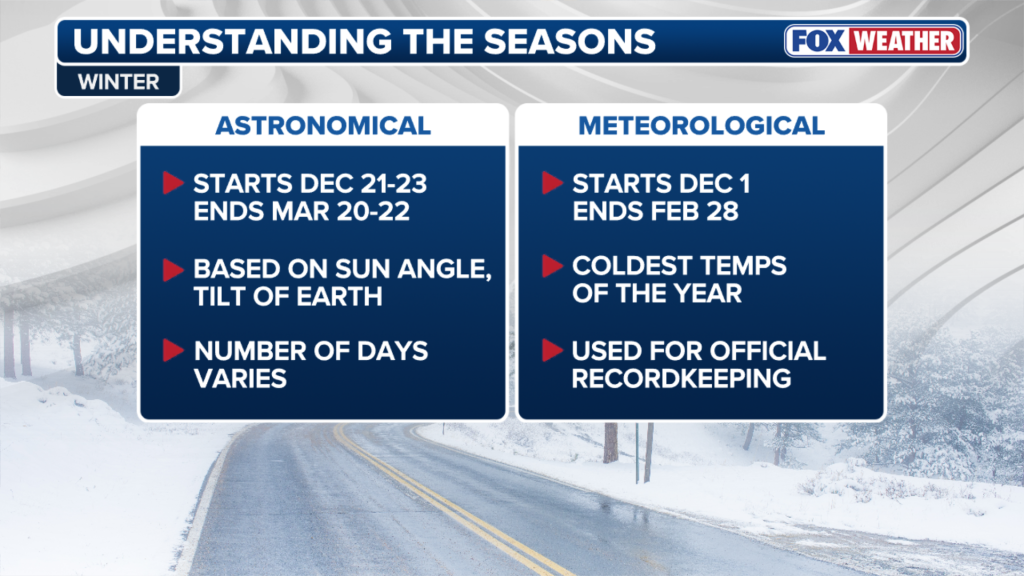
Astronomical winter starts around December 21 with the winter solstice and ends on the vernal equinox in March. It depends on Earth’s tilt and orbit around the sun. In contrast, meteorological winter starts on December 1 and ends on February 28 or 29. This makes it more practical for climate research and weather records.
Why December 1 Is the Official Start
This distinction explains why meteorologists often declare winter begins on December 1, even when the calendar still shows autumn. Understanding this difference helps with seasonal planning, winter preparation, and travel safety.
Polar Vortex and Early Winter Chill
This year, the polar vortex has sent Arctic air southward, producing early winter chill across the U.S. Meteorological winter provides a consistent framework to monitor cold waves, snowfall, and other winter hazards effectively.
Capturing the Coldest Months Accurately
By marking December 1 as the official start of winter, meteorologists ensure the coldest and snowiest months are captured accurately in climate records. Therefore, when snow appears in early December, remember—it is officially winter.
About The Author