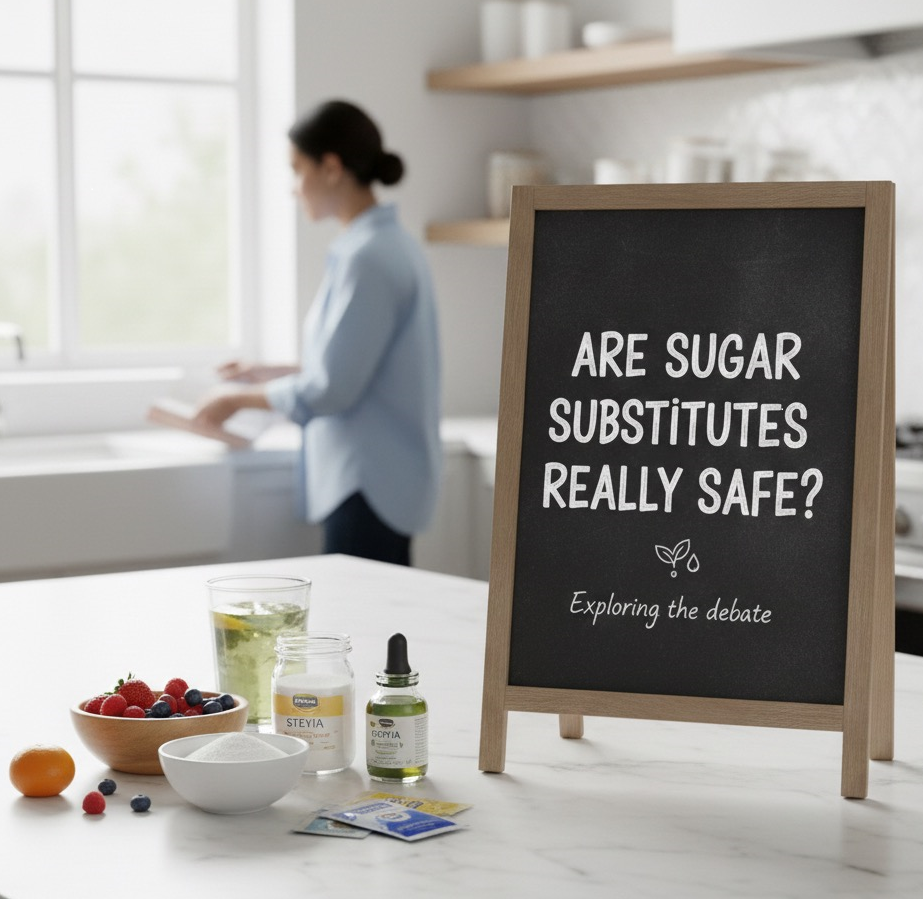
New research shows that sorbitol, a common sugar alcohol in sugar-free foods, may behave like fructose in the body. This conversion can stress the liver and disrupt metabolism.
Artificial sweeteners such as aspartame (Equal), sucralose (Splenda), and sugar alcohols often appear as healthier alternatives to table sugar. However, studies suggest that some sugar substitutes may not be completely harmless.
Sorbitol: A Hidden Fructose Source
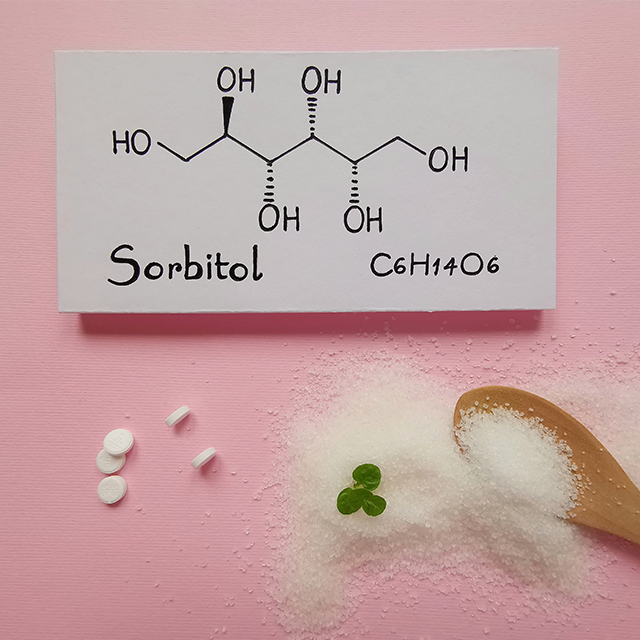
Scientists at Washington University in St. Louis discovered that sorbitol can turn into fructose once it reaches the liver. The transformation triggers similar metabolic responses as fructose. The findings appeared in Science Signaling and build on prior research linking fructose to steatotic liver disease and cancer cell growth.
“Sorbitol is only one transformation away from fructose,” explained Gary Patti, lead researcher and professor of chemistry, genetics, and medicine. Experiments in zebrafish revealed that sorbitol, found in sugar-free gum, candy, and some fruits, can be produced by gut enzymes and later converted into fructose in the liver.
Gut Bacteria Matter
Certain gut bacteria, like Aeromonas strains, can safely break down sorbitol. But when bacteria are absent or overwhelmed, sorbitol reaches the liver. High levels may contribute to metabolic stress.
“The more glucose and sorbitol people consume, the higher the chance gut bacteria cannot keep up,” Patti said. Diets high in processed foods or sugar substitutes can overload the system.
Implications for Health
Even sugar alternatives may carry hidden risks. While small amounts of sorbitol remain safe, excessive intake can strain the liver and metabolism. These findings suggest there is “no free lunch” when it comes to sugar-free products.
The study underscores the need to understand how gut bacteria handle sugar alcohols. Future research will explore variations in microbiomes and their effect on liver health.
Consumers should monitor processed foods, candies, gums, and even some fruits that contain sorbitol. Being aware of sugar substitutes and how they interact with metabolism may protect long-term liver and metabolic health.
About The Author