New research from UC Davis Health shows that people with anxiety disorders have consistently lower levels of choline—an essential brain nutrient—in regions that control emotions and decision-making. This chemical difference may help explain why their brains react more intensely to stress.
Published in Molecular Psychiatry, the study analyzed 25 previous research papers involving 370 individuals with anxiety disorders and 342 without. Results revealed that choline levels were approximately 8% lower in those with anxiety, particularly in the prefrontal cortex, the brain’s hub for planning, emotional regulation, and decision-making.
“This is the first meta-analysis to uncover a consistent chemical pattern in anxiety disorders,” said Jason Smucny, co-author and assistant professor in UC Davis’ Department of Psychiatry and Behavioral Sciences. He adds that nutritional approaches—such as choline-rich diets or supplementation—may help support brain chemistry, though further research is necessary.
Why Choline Matters for the Brain
Choline plays a vital role in memory, mood, muscle function, and the health of cell membranes. The body produces only a limited amount, meaning most people must get it from food. Key sources include egg yolks, beef liver, salmon, chicken, soybeans, and milk.
Anxiety disorders affect about 30% of U.S. adults, yet many remain undiagnosed or undertreated. They include generalized anxiety disorder, panic disorder, social anxiety, and phobias—conditions that can significantly disrupt daily life.
The Brain’s Stress Response in Anxiety
Anxiety changes how the brain interprets stress. The amygdala, responsible for detecting danger, and the prefrontal cortex, which guides decisions, react differently in affected individuals. Chemical imbalances, such as elevated norepinephrine, heighten the “fight-or-flight” response, causing even minor stressors to feel overwhelming.
Using proton magnetic resonance spectroscopy (1H-MRS), the researchers measured chemical levels directly in brain tissue. Unlike standard MRI, this technique detects neurometabolites like choline, offering insight into the brain’s biochemical environment.
Nutrition Could Play a Supporting Role
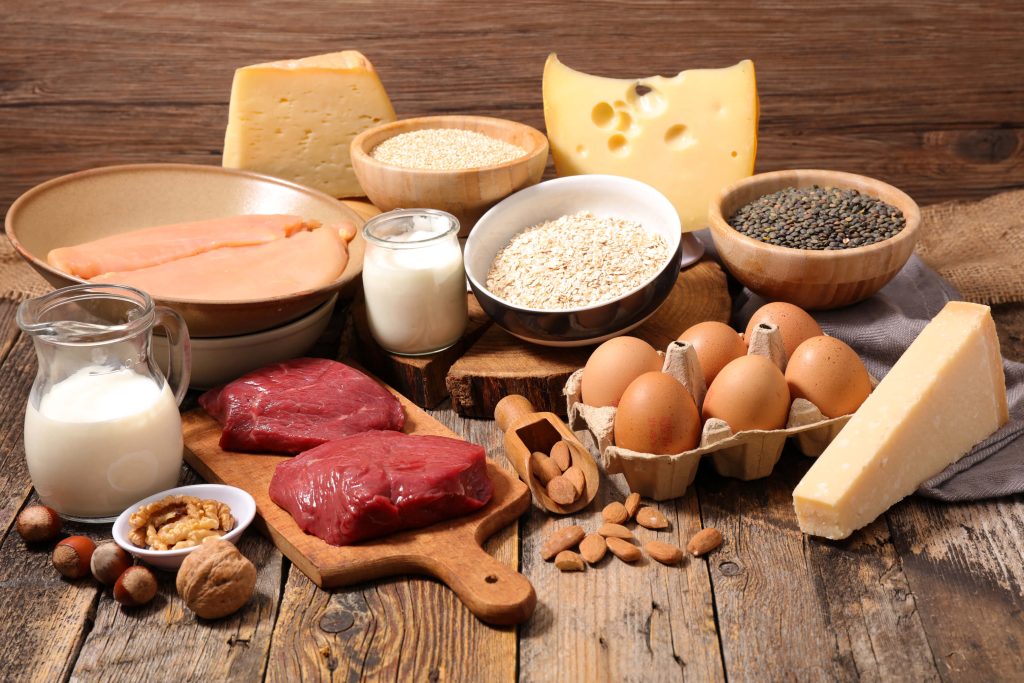
Chronic stress may increase the brain’s need for choline, lowering its levels in those with anxiety. While scientists caution against high-dose supplementation without guidance, ensuring a balanced, choline-rich diet could support brain health and mental well-being.
“Most Americans, including children, don’t meet the recommended daily intake of choline,” said Richard Maddock, senior author and psychiatrist at UC Davis. He suggests incorporating foods like salmon, eggs, liver, chicken, and soybeans, along with omega-3 fatty acids, to help maintain healthy brain chemistry.
The findings highlight the potential role of diet in mental health and provide a foundation for future studies exploring how nutrition can complement traditional anxiety treatments
About The Author