
Argentine researchers uncovered a mechanism that may change how doctors treat diabetes. Scientists at the CONICET-AUSTRAL Immuno-Endocrinology, Diabetes and Metabolism Laboratory found a way to help pancreatic beta cells — the cells that make insulin — survive inflammatory damage.
Beta Cells Can Build Resistance
Under the leadership of Dr. Marcelo J. Perone, the team exposed beta cells to tiny doses of the inflammatory molecule interleukin-1 beta (IL-1β). Instead of harming the cells, these low doses triggered an adaptive response. After the treatment, the beta cells tolerated high levels of IL-1β that normally would destroy them.
For decades, researchers treated IL-1β as a purely toxic molecule. This study flips that idea. The scientists showed that the dose determines the outcome:
- High doses harm or kill beta cells
- Low doses strengthen them
This reaction, known as hormesis, allows living cells to build resilience when they face small, controlled amounts of stress.
Why This Matters for Diabetes
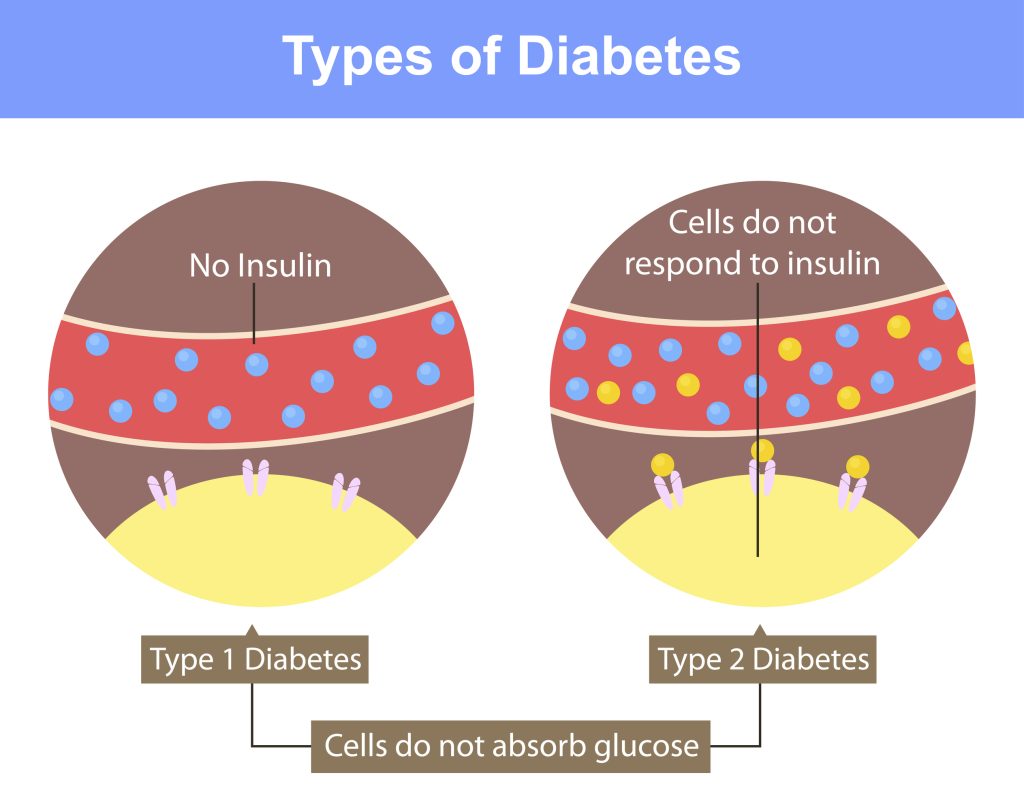
Diabetes develops when beta cells fail to produce enough insulin.
- In Type 1 diabetes, the immune system attacks and destroys the cells.
- In Type 2 diabetes, chronic inflammation, obesity, and high blood sugar push the cells into exhaustion.
Perone’s team demonstrated that beta cells can adapt, strengthen, and resist damage — a discovery that could reshape treatments for both major forms of diabetes.
Their findings, published in Cell Death & Disease, point toward a future where therapies protect insulin-producing cells and slow the progression of diabetes.
The study builds on nearly 20 years of Perone’s research. CONICET scientist Carolina Sétula conducted key biochemical experiments that helped the team identify pathways that increase cellular resilience.
Next Steps in the Research
The researchers now aim to map the internal mechanisms that protect beta cells from stress. Their goal is to identify drug targets that could “train” these cells to withstand inflammation and survive longer.
While the work remains in the early stages, the discovery gives scientists a stronger understanding of beta-cell biology — and a promising strategy for future diabetes therapies
About The Author