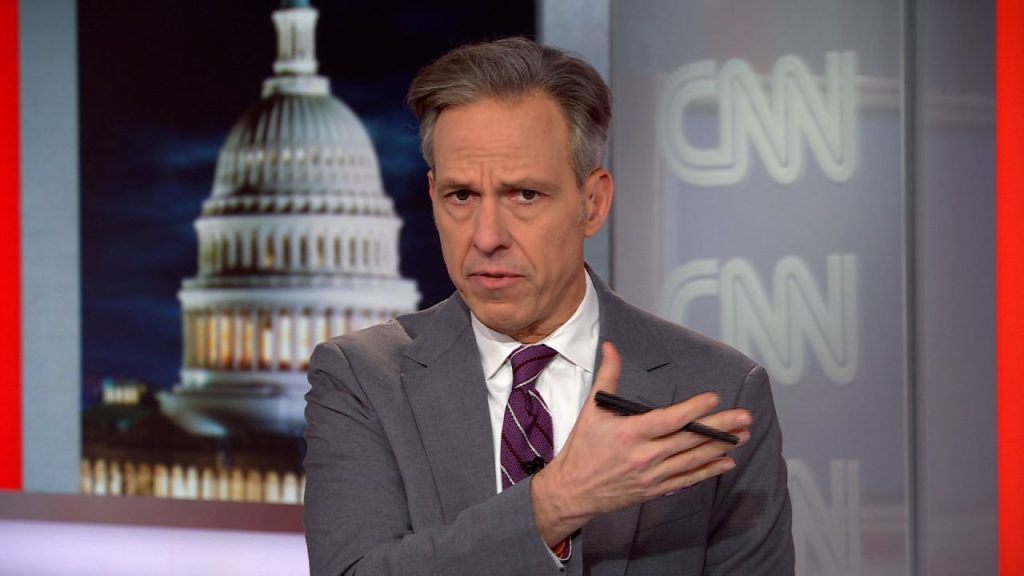
CNN host Jake Tapper is under scrutiny following a broadcast discussing potential concerns about Donald Trump’s health. Tapper framed the discussion around what he called previous media hesitancy in examining Joe Biden’s condition. Critics argue this shift appears more strategic than journalistic.
Tapper References Past Media Restraint
During the segment, Tapper suggested that news organizations, including CNN, may not have thoroughly investigated Biden’s physical condition during prior coverage. He used this acknowledgment to justify focusing on Trump’s health and behavior—an approach that has drawn both support and criticism.
Expert Commentary Without Direct Examination
Tapper invited Dr. Jonathan Reiner, a cardiologist and CNN medical contributor who previously served as personal physician to former Vice President Dick Cheney, to comment. Reiner has not examined Trump personally but provided analysis based on publicly available video footage.
Citing observations highlighted by Real Clear Politics, Tapper noted moments when Trump appeared fatigued at a recent White House event, including footage showing him briefly closing his eyes during an Oval Office meeting.
Possible Explanations for Fatigue
Reiner explained that occasional daytime tiredness can result from multiple factors, such as disrupted sleep or demanding schedules. He mentioned sleep apnea as one potential cause, though there is no public confirmation that Trump has this condition.
He also pointed out a notable contrast between Trump appearing tired in meetings and delivering a high-energy, rapid-fire speech shortly afterward—something he described as worth noting but not definitive proof of a medical issue.
Debate Over Media Responsibility
The segment has sparked discussion about the ethics of televised medical commentary. Supporters argue that public figures’ health is relevant for voters, while critics caution against speculative reporting when experts lack direct examination.
This episode highlights the ongoing tension between informing the public and maintaining professional caution, raising questions about how far media should go in analyzing leaders’ health.
WATCH VIDEO:
About The Author