
Chronic diseases are a major health challenge in the United States. Six in ten adults live with at least one chronic condition, and four in ten manage multiple conditions. While not all can be prevented, many can be delayed or better managed by addressing risk factors like poor nutrition, smoking, inactivity, and excessive alcohol use. Early detection, regular screenings, and ongoing care dramatically improve long-term outcomes.
What Are Chronic Diseases?
A chronic disease is a condition that lasts a year or longer and requires continuous medical attention or limits daily life. Unlike acute illnesses, chronic diseases develop slowly and may persist throughout life. They include conditions such as heart disease, diabetes, asthma, arthritis, and some cancers. Although they can affect anyone, older adults are most affected. Among Americans over 65, 93% have at least one chronic condition, and 79% have two or more, making health management complex and costly.
Common Chronic Diseases
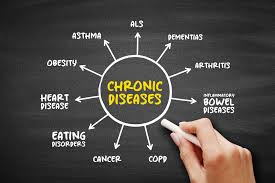
In 2025, the most prevalent chronic conditions include heart disease, stroke, cancer, type 2 diabetes, COPD, asthma, Alzheimer’s disease, hypertension, and chronic kidney disease. Together, they account for eight of the ten leading causes of death, with heart disease and stroke alone causing more than a third of annual deaths.
Prevention: What You Can Control
Many chronic diseases are influenced by lifestyle. Quitting smoking, staying active, maintaining a healthy weight, limiting alcohol, and getting enough sleep can significantly lower risk. Diet is especially important. Foods high in sugar, refined carbs, ultra-processed snacks, and fast food contribute to obesity, insulin resistance, high blood pressure, and chronic inflammation. Replacing these with whole foods, fruits, vegetables, whole grains, and lean proteins helps prevent disease and supports long-term health.
What Cannot Be Prevented
Not all chronic diseases can be avoided. Type 1 diabetes and other autoimmune conditions are largely influenced by genetics and environmental triggers. Asthma and some respiratory diseases are affected by air pollution and allergens. In these cases, early detection and medical management are essential.
How Chronic Diseases Affect Daily Life
Chronic illness impacts physical, emotional, and financial well-being. Symptoms like fatigue, pain, or limited mobility make daily tasks challenging. Chronic conditions can also increase stress, anxiety, and depression, while ongoing medical costs and reduced work capacity place a financial burden on families.
The Economic Impact
Chronic diseases account for around 90% of U.S. health care spending, totaling trillions annually. Obesity-related conditions alone cost hundreds of billions in direct medical care, with additional indirect costs from lost productivity. Combined, chronic diseases may cost the U.S. economy more than $3.7 trillion each year.
Chronic Disease in Children
Nearly 30% of U.S. children and adolescents live with a chronic condition, including asthma, ADHD, type 1 diabetes, obesity, and mental health disorders. Childhood obesity alone affects 1 in 5 children, increasing the risk of lifelong diabetes, heart disease, and metabolic disorders. Early intervention, healthy nutrition, and physical activity are critical.
Why America Leads in Chronic Diseases
Compared to other high-income nations, the U.S. has higher rates of obesity, diabetes, hypertension, COPD, kidney disease, depression, and cancer. Factors include diet, physical activity, healthcare access, social policies, and socioeconomic conditions. Modern food environments—where ultra-processed, calorie-dense foods dominate—play a major role in driving obesity and related chronic illnesses.
The Takeaway
Chronic diseases reflect how we live, eat, and age. While genetics and environment matter, lifestyle—particularly diet—is a key driver of risk. Focusing on nutrition, physical activity, substance avoidance, and preventive care is essential to reversing the growing burden of chronic disease in the U.S.
About The Author