Anxiety affects millions worldwide, causing feelings of stress, worry, and fear. For some, it persists or worsens over time, which may indicate an anxiety disorder. In the U.S., more than 30% of adults are estimated to experience anxiety at some point in their lives. Left unchecked, anxiety can contribute to health problems such as heart disease, high blood pressure, chronic pain, and digestive issues.
While medications like benzodiazepines and SSRIs can be effective, side effects often prompt people to explore natural alternatives. Certain vitamins, minerals, and herbal supplements have been shown to help reduce anxiety symptoms safely when used correctly.
1. Vitamin D
Adequate vitamin D levels are linked to lower anxiety. Studies suggest supplementing with vitamin D can improve symptoms, particularly in individuals who are deficient. Natural sources include fatty fish, egg yolks, and fish liver oil.
2. Magnesium
Magnesium helps regulate neurotransmitters like glutamate, which can influence anxiety levels. Supplements such as magnesium glycinate, chloride, and L-threonate may improve mood, especially when paired with vitamin B6. Leafy greens, legumes, nuts, seeds, and whole grains are dietary sources.
3. Vitamin B6
Vitamin B6 plays a role in producing serotonin and GABA, brain chemicals that help calm nervous activity. Research indicates that higher doses may ease anxiety and improve mood, although more studies are needed to confirm its full effects.
4. Omega-3 Fatty Acids
Omega-3s, found in fish oil, chia seeds, and flaxseed, can reduce inflammation linked to anxiety. Clinical research suggests daily doses of at least 2,000 mg may be necessary to notice benefits.
5. Ashwagandha
Ashwagandha is an adaptogenic herb that helps reduce cortisol, the stress hormone, and may increase serotonin. Studies using 500–600 mg daily for 8–10 weeks show significant reductions in anxiety symptoms. Short-term use is generally safe.
6. Valerian Root
Valerian interacts with GABA receptors in the brain, promoting relaxation and improving sleep. Doses between 100–1,300 mg daily may reduce anxiety and insomnia associated with stress.
7. Kava
Kava has calming effects through the GABA pathway and may be more effective in women and younger adults. It is safe short-term but may cause liver damage if used for longer than eight weeks.
8. Chamomile
Chamomile has mild sedative properties and can help reduce anxiety. Clinical trials using 1,500–2,000 mg daily show symptom improvement, likely through effects on GABA, serotonin, and dopamine.
9. Melatonin
Melatonin increases GABA in the brain, which can produce a calming effect. Some studies show it helps reduce anxiety, particularly in surgical patients or those with sleep-related issues.
10. Passionflower
Passionflower has long been used to ease nervousness and anxiety. Doses up to 800 mg daily may improve symptoms, with effects similar to some prescription medications. Side effects are rare but can include drowsiness and mild confusion.
11. Lemon Balm
Lemon balm may reduce anxiety through its influence on GABA-A receptors. Studies indicate it can provide relief comparable to mild anti-anxiety medications. Safe daily doses are up to 5,000 mg for short periods.
12. Inositol
Inositol, found in fruits, vegetables, beans, and nuts, may improve symptoms in some anxiety and panic disorders. Research is promising but mixed, so results may vary.
Safety Tips
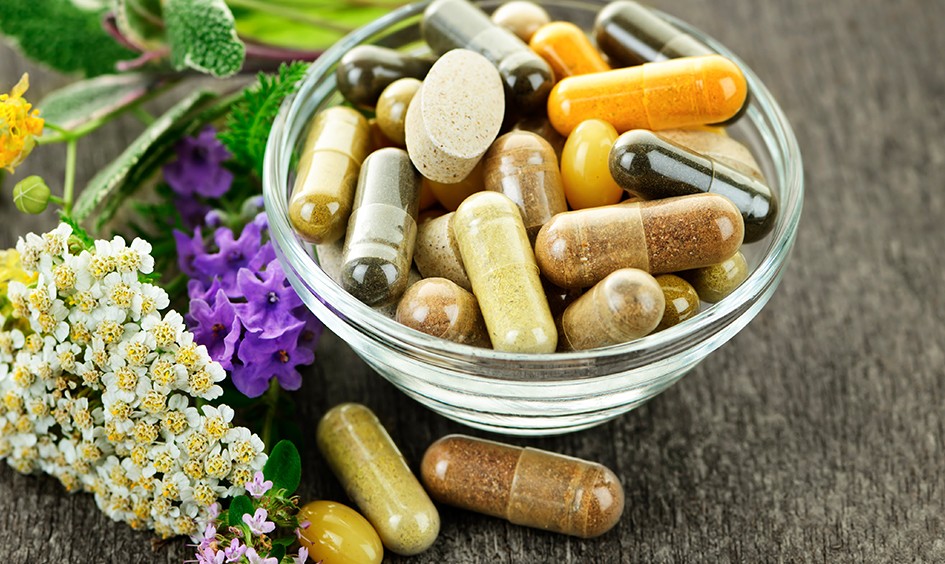
Supplements can support anxiety management but should be used with caution. Certain herbs, such as kava, can harm the liver. Pregnant individuals, older adults, or people with chronic conditions should consult a healthcare provider first. Supplements should not replace prescribed medications.
Lifestyle Practices That Complement Supplements
- Deep breathing: Slow, mindful breaths for at least five minutes can reduce nervous tension.
- Mindfulness: Practices like meditation, walking in nature, or grounding exercises help focus attention on the present.
- Yoga and Tai Chi: Gentle movement exercises regulate the nervous system and ease anxiety.
- Regular exercise: Walking, cycling, or swimming for at least 150 minutes weekly helps reduce stress and improves overall mood.
Combining targeted supplements with healthy lifestyle habits can help manage anxiety safely. Always consult a doctor before starting any new supplement regimen, especially if you take medications or have underlying health conditions.
About The Author