Our homes and kitchens are filled with conveniences—but some common items may pose hidden health risks. From cookware to packaged foods, certain products have been linked to cancer risk. Being aware of these dangers and making small swaps can help protect your long-term health.
1. Plastic Food Containers and BPA
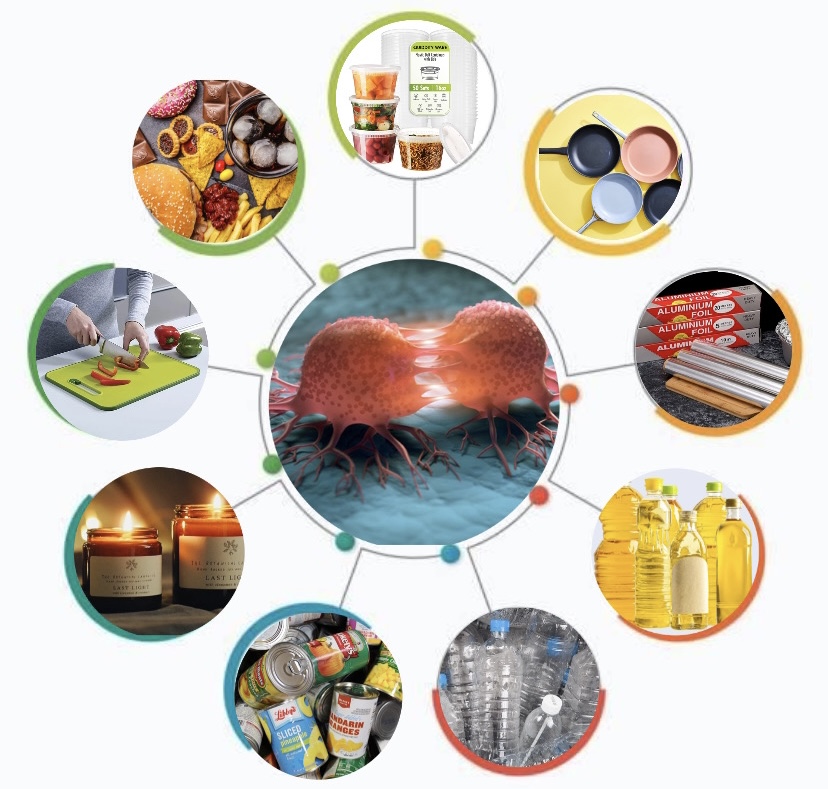
Plastic containers are great for leftovers and meal prep, but many contain BPA or phthalates, which can leach into food, especially when heated. These chemicals can disrupt hormones and may increase the risk of breast and prostate cancers. A safer choice is using glass or stainless steel containers for hot foods or liquids, reducing exposure to harmful chemicals.
2. Non-Stick Cookware
Traditional non-stick pans often contain Teflon (PTFE) and PFOA, which release fumes when overheated and may pose health risks over time. To stay safe, try ceramic-coated or cast-iron pans and cook on medium heat. These alternatives are more durable and avoid toxic fumes.
3. Aluminum Foil
Cooking acidic foods like tomatoes or citrus in aluminum foil can cause trace amounts of aluminum to leach into meals. Long-term exposure may increase cancer risk. Using parchment paper or glass baking dishes when cooking acidic foods is a simple, safer swap.
4. Refined Vegetable Oils
Highly refined oils heated to high temperatures produce oxidized fats, which promote inflammation—a known contributor to cancer. Cold-pressed oils like olive, avocado, or coconut oil are healthier choices, and it’s best not to reuse oils multiple times.
5. Plastic Water Bottles
Single-use plastic bottles can release BPA, particularly when exposed to sunlight or heat. This may interfere with hormones and increase cancer risk. Switching to stainless steel or glass bottles helps reduce exposure and is better for the environment.
6. Canned Foods
Many canned foods are lined with BPA, which can migrate into the food and affect hormone balance. Choosing BPA-free cans or fresh and frozen alternatives can reduce this risk and improve overall nutrition.
7. Scented Candles
Scented candles often contain paraffin wax and synthetic fragrances, releasing volatile organic compounds (VOCs) like benzene and toluene when burned. Opt for soy or beeswax candles with natural scents and burn them in a well-ventilated room to reduce exposure.
8. Plastic Chopping Boards
Plastic cutting boards can develop grooves that trap bacteria and chemical residues. Some plastics contain additives that may migrate into food. Using wooden or bamboo boards is a safer alternative, as they are naturally antimicrobial and durable.
9. Ultra-Processed Foods
Ultra-processed foods, such as packaged snacks, instant meals, and sugary cereals, are convenient but often contain refined sugars, preservatives, and unhealthy fats. High consumption is linked to inflammation, obesity, and certain cancers. Eating fresh fruits, vegetables, whole grains, and lean proteins and preparing meals at home reduces exposure to harmful additives.
Creating a Healthier Home
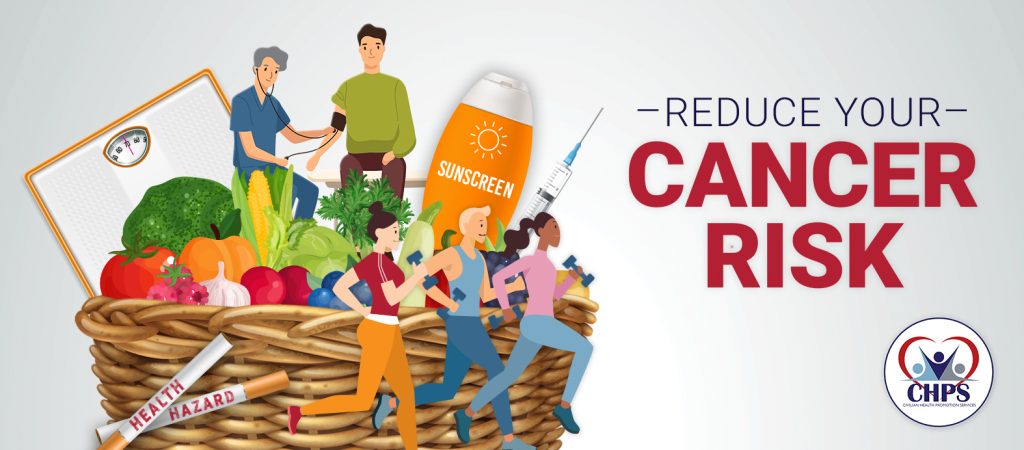
Even small changes in your kitchen and daily habits can significantly reduce exposure to potential carcinogens. Switching to glass containers, safer cookware, natural oils, and whole foods makes a big difference over time. By making these adjustments, you protect your health and create a safer, more mindful home environment for yourself and your family.
About The Author