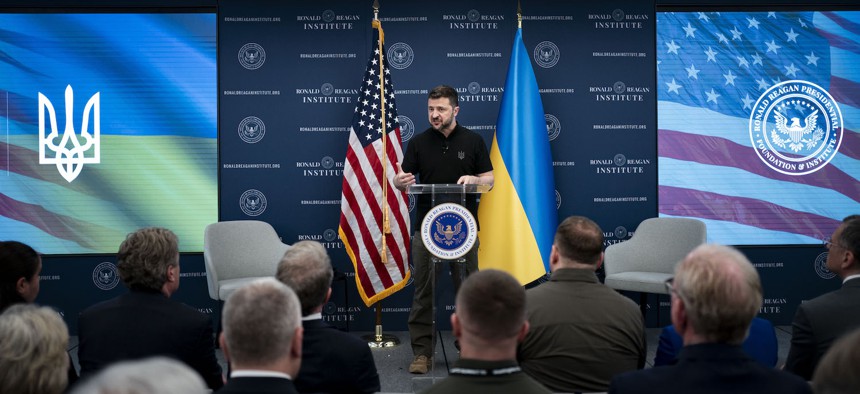
Ukraine is preparing a revised peace plan to present to the White House, aiming to prevent territorial concessions to Russia. President Volodymyr Zelensky emphasized that he has “no right” to surrender land under Ukrainian or international law.
Following meetings with European and NATO leaders, Zelensky’s team plans to submit a new proposal as soon as Tuesday. The initiative reflects Kyiv’s determination to maintain sovereignty over strategic regions, including the eastern Donbas and the Zaporizhzhia nuclear power plant.
Russia Intensifies Attacks
Russia’s military operations continue to pressure Ukraine. The city of Sumy in northwestern Ukraine lost power overnight after a drone attack targeted power infrastructure. Authorities are investigating casualties.
In Ternopil, the death toll from a Russian missile strike last month continues to rise. Two more bodies were found, bringing total fatalities to 38, including eight children.
Diplomatic Push Across Europe
Zelensky’s diplomatic tour follows intense U.S.-Ukraine negotiations over the weekend, which failed to produce a deal acceptable to Kyiv. Chief negotiator Rustem Umerov briefed Zelensky on discussions with both U.S. and Russian officials, emphasizing that some issues require in-person talks.
Zelensky has consistently rejected proposals to cede territory, stating, “We have no legal right to do so, under Ukrainian law, our constitution, and international law. And we have no moral right either.” He added that any changes to Ukraine’s borders would require a public referendum.
Frontline Fighting Continues
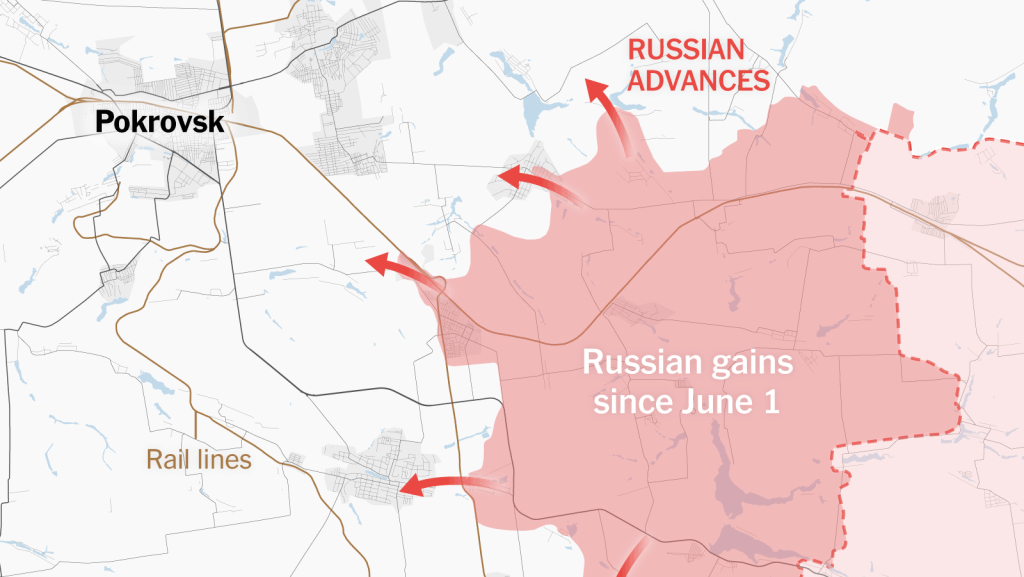
Despite Russian claims of capturing strategic locations such as Pokrovsk, Ukrainian forces remain active. Live reports from command centers confirm ongoing resistance in contested areas. Russia claims to be advancing along the front line, including Myrnohrad near Pokrovsk.
Revisions to U.S.-Backed Peace Plan
The original U.S.-drafted 28-point peace plan was criticized for favoring Russia. Zelensky reported that it has now been reduced to 20 points. While “pro-Ukrainian” provisions remain, no compromise has been made on territorial issues.
Sensitive areas include the Donbas and energy from the Zaporizhzhia nuclear plant. The original plan proposed splitting control over Zaporizhzhia and conceding the Donbas to Russia, despite ongoing Ukrainian resistance.
European Support and Security Guarantees
A Downing Street summit, attended by Zelensky, UK Prime Minister Keir Starmer, French President Emmanuel Macron, and German Chancellor Friedrich Merz, highlighted European backing. Leaders emphasized a “just and lasting peace” supported by robust security guarantees.
Plans for an international coalition to provide ongoing military support are under discussion. The UK and France proposed deploying international troops, though Germany and Italy remain skeptical. The U.S. role in future security guarantees is still uncertain.
Political Context in the U.S.
Former President Donald Trump has described Zelensky as a key obstacle to a U.S.-brokered peace deal. Trump claimed Russia accepted the proposed plan and expressed disappointment that Zelensky had not reviewed it. Zelensky, however, stressed that direct negotiations are necessary to resolve complex issues.
Next Steps
Zelensky continues his European tour, meeting NATO Secretary-General Mark Rutte, EU Commission President Ursula von der Leyen, and Italian Prime Minister Georgia Meloni. Meanwhile, Russia claims constructive talks with the White House, though Kyiv sees little evidence of progress on Kremlin demands.
The coming days may determine whether Ukraine can secure a peace deal that preserves its territorial integrity while maintaining international support and security guarantees.
About The Author