
In a surprising move, the U.S. Centers for Disease Control and Prevention (CDC) ended its decades-long recommendation that all newborns receive the hepatitis B vaccine. The decision follows a vote by the CDC’s vaccine advisory panel, led by Health Secretary Robert F. Kennedy Jr.. It signals a major shift in U.S. vaccination policy.
Under the new guidance, only infants whose mothers test positive for hepatitis B or whose status is unknown should automatically get the birth dose. Parents of babies born to hepatitis B-negative mothers now must consult a healthcare provider. They can decide if vaccination at birth is necessary. If parents delay the vaccine, the CDC recommends giving the first dose no earlier than two months of age.
“We are restoring informed parental choice for newborns who face minimal risk of contracting hepatitis B,” said Jim O’Neill, acting CDC director and deputy health secretary.
This policy ends over 30 years of universal vaccination guidance. Since 1991, U.S. infants routinely received the first of three hepatitis B shots immediately after birth. The practice helped dramatically reduce infections nationwide.
Experts Warn of Public Health Risks
Public health officials warn that the change could increase preventable hepatitis B cases among children.
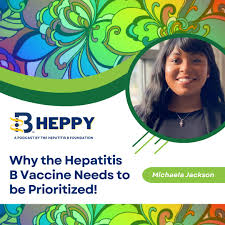
Michaela Jackson, program director at the Hepatitis B Foundation, said:
“This shift may create confusion for parents and lead to gaps in protection. Universal vaccination has been a proven safeguard against a serious liver infection.”
Hepatitis B spreads through blood, sexual contact, and close contact with carriers. It can cause severe liver disease if untreated. Vaccination has lowered U.S. infection rates by nearly 90%. Rates dropped from 9.6 per 100,000 in 1982 to about one per 100,000 in 2018. Experts worry delaying vaccines could reverse this progress.
Dr. Emily Landon, infectious diseases specialist at the University of Chicago Medicine, criticized the panel:
“The decision ignores established science. CDC guidance should protect public health, not undermine it.”
What Parents Should Consider
For parents, the new policy raises questions about timing and necessity. Pediatricians must now give individualized guidance without a firm federal standard. Health insurance coverage and clinical recommendations traditionally followed CDC guidance. The policy change could create gaps in access.
Some states, including Illinois and New York, may continue universal newborn hepatitis B vaccination. They want to maintain protection and avoid leaving children at risk.
Looking Ahead
The CDC says this move empowers parents. They can make informed choices. Experts warn it could increase vaccine hesitancy. More children may face preventable disease. Families should review risk factors, scientific evidence, and professional guidance before deciding on newborn vaccination
About The Author