A federal judge has stopped California public schools from hiding students’ gender identities from their parents. The ruling marks a major shift in the debate over parental rights, student privacy, and school authority.
On Monday, U.S. District Judge Roger Benitez issued a permanent injunction. He struck down state-backed practices that allowed school staff to withhold information when students expressed a gender identity different from their biological sex. Teachers and parents challenged those rules in a class-action lawsuit, arguing they violated constitutional rights.
A Direct Challenge to State Education Policy
Two teachers from the Escondido Union School District, Elizabeth Mirabelli and Lori West, filed the lawsuit in April 2023. The case quickly grew beyond their district. It expanded to include parents, educators, and school systems across California.
The plaintiffs said state policies forced teachers into a double standard. At school, staff had to use students’ chosen names and pronouns. With parents, they had to switch back to legal names and biological pronouns. The teachers argued this practice required them to deceive families and cut parents out of important decisions.
Mirabelli and West said the rules conflicted with their moral, religious, and professional duties. They insisted teachers should not lie to parents or hide information about a child’s well-being.
Court Sides With Parents and Educators
Judge Benitez agreed. In a 52-page opinion, he ruled that parents have a constitutional right under the Fourteenth Amendment to know what is happening in their child’s life. He also affirmed that teachers have free speech and free exercise rights that protect honest communication.
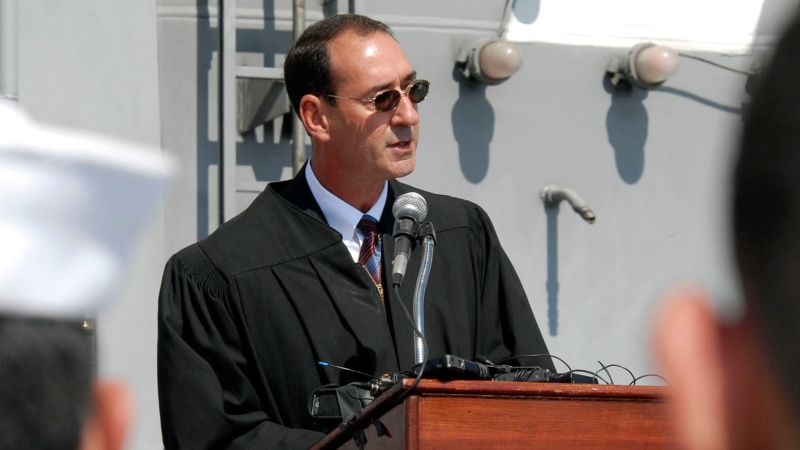
The judge warned that secrecy can harm students. When schools hide information, families may miss the chance to offer guidance or seek mental health support. “They harm the child who needs parental guidance and possibly mental health intervention,” Benitez wrote.
Supporters quickly praised the ruling. They called it a victory for transparency and trust between schools and families. At the same time, state officials moved to block the decision while appealing to the Ninth Circuit. They argued disclosure could discourage students from reporting bullying or emotional struggles.
Judge Benitez rejected that claim. He wrote that good intentions do not override constitutional rights. He added that while California education officials may understand schools, they fall short on constitutional law.
Legal experts say the ruling could reach far beyond California. Other states now face new questions about how far schools can go when handling gender identity issues involving minors—and how much authority parents retain.
About The Author