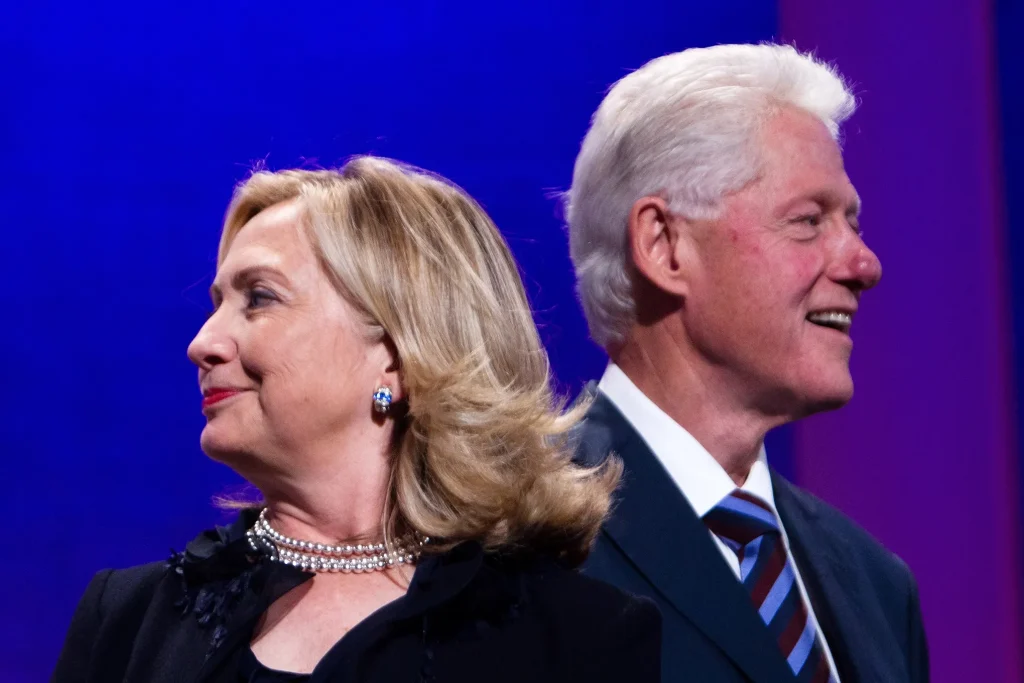
Newly released FBI documents have revived questions about Hillary Clinton’s campaign finances and the Clinton Foundation. The records show intercepted communications that investigators believed required closer review.
The FBI submitted the documents to the Senate Judiciary Committee, which made them public in mid-December. They reference conversations involving Clinton and Indian hotel magnate Sant Singh Chatwal, a longtime Clinton associate and convicted felon.
Inside the FBI Investigation
The FBI launched an investigation internally known as “Cracked Foundation” as early as 2010. Agents examined whether political donations, foreign influence, and foundation activities overlapped improperly during Clinton’s tenure as Secretary of State.
The probe focused on potential violations of campaign finance laws and ethical standards. Investigators also reviewed possible conflicts involving foreign donors.
A Powerful Fundraiser
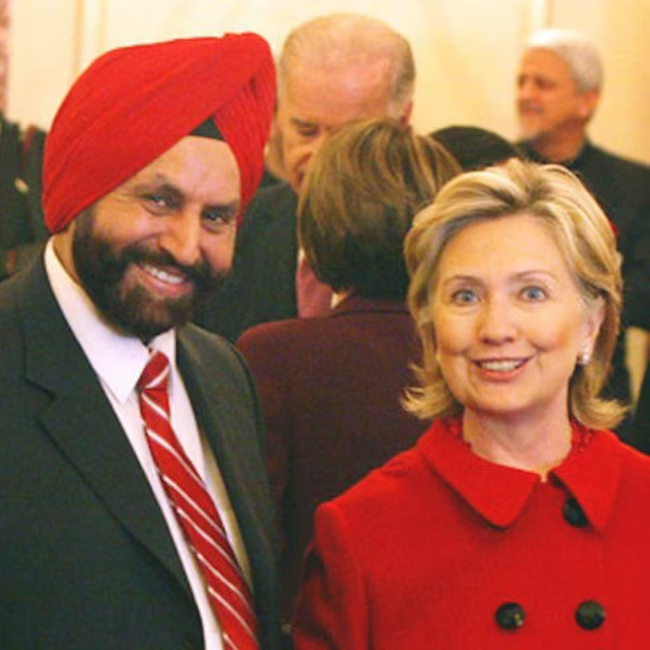
Chatwal played a major role in Democratic fundraising and served as a Clinton Foundation trustee. In 2014, he pleaded guilty to laundering illegal donations through straw contributors during Clinton’s 2008 presidential campaign. He forfeited $1 million as part of his plea deal.
FBI records cite statements in which Chatwal allegedly described donations as a way to gain access and influence. Investigators found the language troubling and flagged it for further review.
Campaign Debt Questions
One sensitive issue involved a recorded conversation about Clinton’s lingering 2008 campaign debt. Investigators say Clinton told Chatwal he could no longer donate directly to her campaign. Instead, she suggested directing contributions to the Clinton Foundation.
FBI agents drafted questions about whether donations later settled campaign obligations or funded personal expenses. Either scenario could violate federal campaign finance laws. WikiLeaks emails later confirmed Chatwal’s role in helping resolve Clinton’s campaign debt, intensifying investigators’ concerns.
Foreign Policy Concerns
The investigation also examined Chatwal’s lobbying for the 2008 U.S.–India nuclear agreement. The deal reversed decades of U.S. policy, allowing nuclear cooperation with India despite its non-membership in the Nuclear Non-Proliferation Treaty.
Chatwal publicly claimed credit for advancing the agreement. He said he spent years lobbying officials and millions of his own money. India later awarded him the Padma Bhushan, one of its highest civilian honors.
FBI agents sought to determine whether donations influenced U.S. foreign policy or reached foreign officials.
Foreign Donations Under Review
Investigators questioned whether the Clinton Foundation accepted foreign contributions while Clinton served as Secretary of State. An agreement with the Obama administration restricted such donations and required full disclosure.
Special attention went to the Clinton Giustra Sustainable Growth Initiative. This separate entity funneled funds into the foundation without the same disclosure rules. Agents wanted clarity on its funding sources and possible foreign influence.
Investigation Blocked
Despite repeated efforts by field agents and New York prosecutors, FBI headquarters declined to advance the investigation. When Clinton was interviewed in July 2016 about her private email server, investigators did not ask foundation-related questions.
Former officials described frustration within the bureau, saying leadership explicitly blocked further inquiry.
Debate Reignited
The document release has reignited debate over whether political considerations shaped investigative decisions. Critics argue key questions remain unanswered.
No new charges have resulted from the disclosures. Still, the documents offer rare insight into an investigation many agents believed deserved deeper examination. The controversy continues to shape public discussion years later.
About The Author