U.S. President Donald Trump says the long-running war between Russia and Ukraine may be approaching a turning point — though major obstacles still stand in the way of a final agreement.
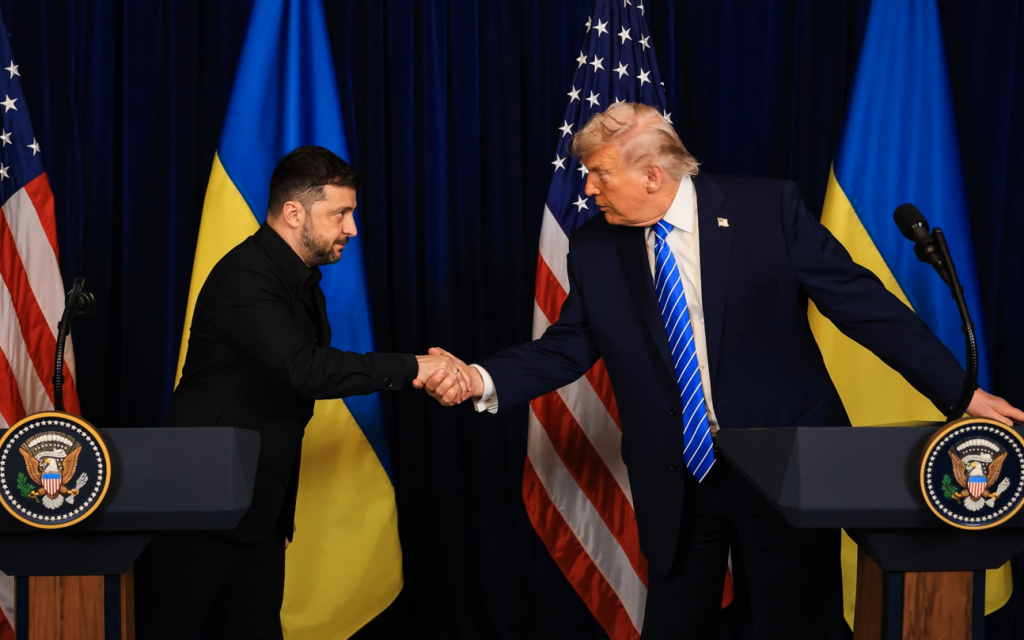
After hosting Ukrainian President Volodymyr Zelensky at his Mar-a-Lago estate in Florida, Trump said negotiations to end the conflict are closer than ever, even as talks stalled over the most sensitive issue: territory. The war, which began with Russia’s invasion of Ukraine in February 2022, has killed tens of thousands and displaced millions.
“We’re much closer than we’ve ever been,” Trump said following the meeting. “But it’s a tough situation, and nothing is finalized yet.”
High-Stakes Talks Amid Escalating Violence
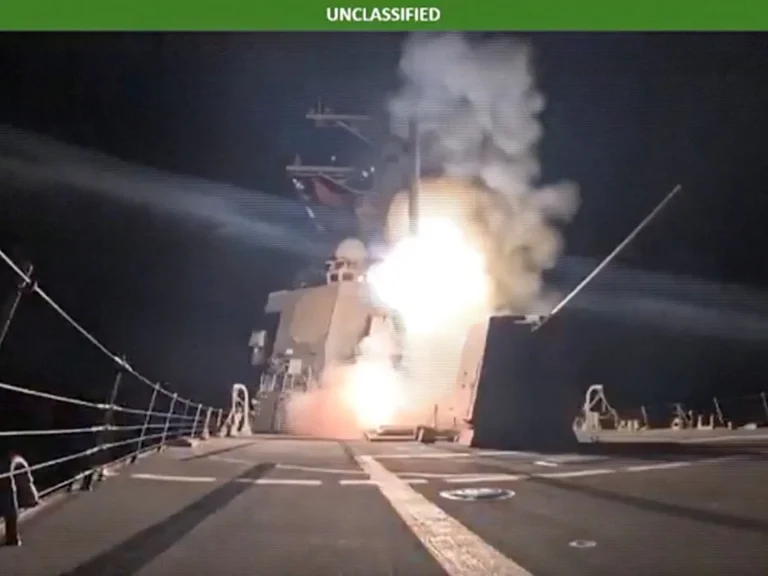
The meeting took place during a tense moment in the conflict. Just a day earlier, Russia launched renewed missile and drone attacks on Kyiv, knocking out power and heating for large parts of the city as winter temperatures plunged.
Despite the escalation, Trump maintained that Moscow remains open to diplomacy. He spoke by phone with Russian President Vladimir Putin shortly before meeting Zelensky and later described the Russian leader as “serious” about ending the war.
Following their talks, Trump and Zelensky held a joint call with European leaders, many of whom have warned against any agreement that could reward aggression or weaken Ukraine’s long-term security.
Zelensky indicated that further talks in Washington could take place in January, potentially including European partners.
Territorial Disputes Remain the Core Challenge
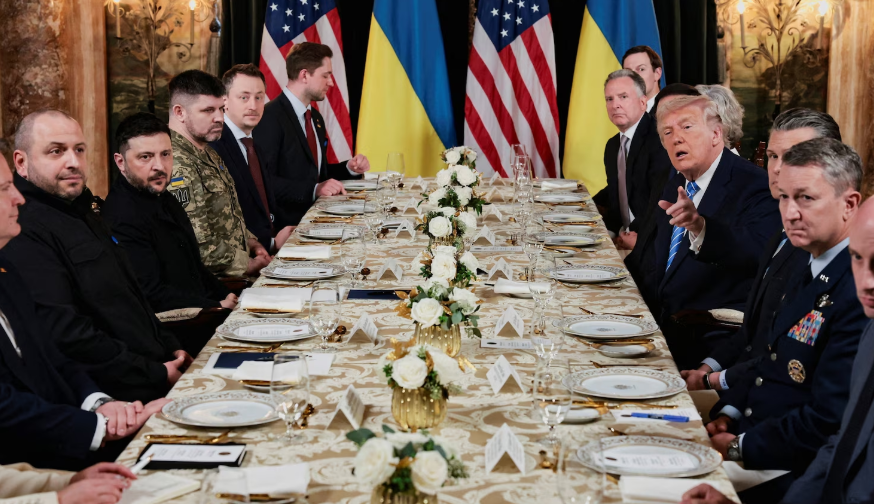
While Trump highlighted progress, he acknowledged that negotiations remain stuck over territory in eastern Ukraine. The latest U.S.-backed framework would halt fighting along current front lines in the Donbas region and create a demilitarized zone.
Russia, however, continues to demand broader territorial concessions and has shown little willingness to compromise. Kremlin officials argue that freezing the conflict without Ukrainian troop withdrawals would only delay future fighting.
“It’s unresolved,” Trump said of the territorial dispute. “But it’s getting closer.”
Ukraine Signals Limited Flexibility
In a notable shift, Zelensky said Ukraine has accepted about 90 percent of the proposed framework, calling it “mostly agreed.” He added that U.S.–Ukraine security guarantees are fully settled, a key demand for Kyiv.
Those guarantees could resemble NATO-style protections, committing Western allies to respond if Russia attacks again. Moscow has repeatedly rejected such arrangements, warning they would be seen as a direct threat.
Zelensky emphasized that any territorial compromise would require approval from Ukrainian voters through a national referendum.
Moscow Holds Firm
Russia’s response has been far less conciliatory. After Putin’s call with Trump, the Kremlin urged Ukraine to withdraw troops from Donbas and accused European leaders of blocking peace efforts.
Russian officials dismissed proposals for a temporary ceasefire, arguing it would allow Ukraine to regroup militarily. Putin warned that if diplomacy fails, Russia will continue pursuing its goals by military means.
A Narrow Window for Peace
Trump’s optimism reflects his belief that personal diplomacy can bring results. Yet with Ukraine demanding ironclad security guarantees, Europe wary of dangerous concessions, and Russia confident in its battlefield momentum, the path to peace remains uncertain.
Still, as the year draws to a close, diplomatic activity is accelerating. Whether it leads to a historic breakthrough — or another missed opportunity — may become clear in the weeks ahead.
About The Author