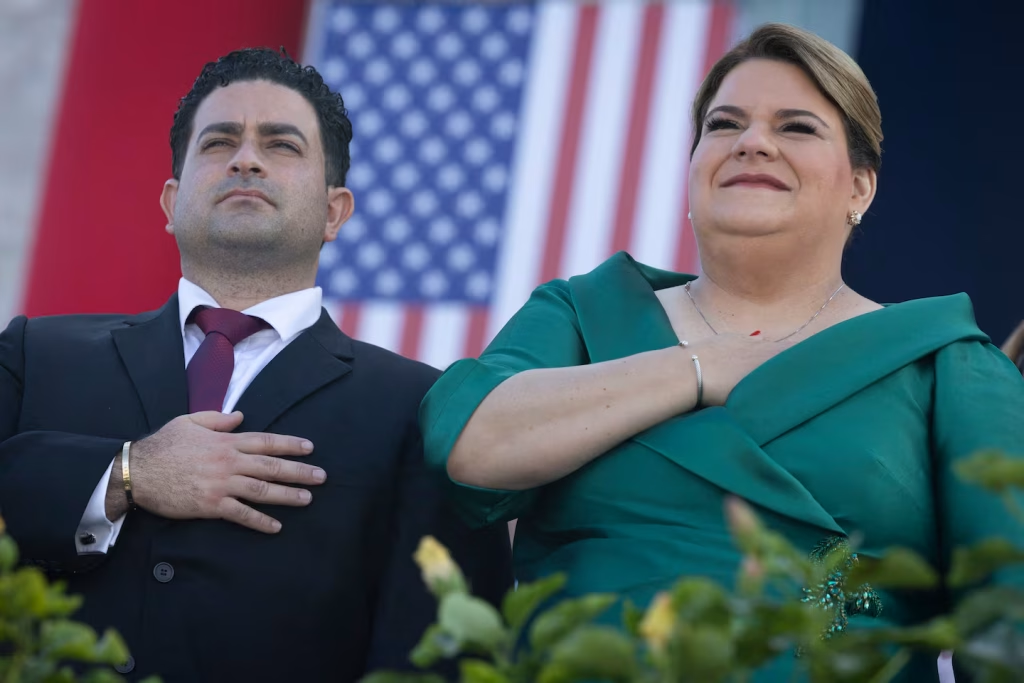
In a historic move for the pro-life movement, Puerto Rico Governor Jenniffer González Colón signed Senate Bill 504 (PS 504) into law. The legislation officially recognizes unborn babies as natural persons from the moment of conception. It amends the territory’s Civil Code to grant preborn children civil personhood, including inheritance rights.
While the law does not change existing abortion statutes, pro-life advocates hail it as a symbolic yet groundbreaking step. By embedding recognition of life from conception into civil law, Puerto Rico sets a moral and legal precedent. Experts say this step could inspire similar measures in other U.S. states and territories.
National Right to Life Applauds the Law
“This law represents a major milestone for human life,” said Carol Tobias, president of the National Right to Life. “Puerto Rico’s recognition of preborn babies reflects deep respect for life. Legal personhood for the unborn is both scientifically grounded and morally necessary.”
Pro-life leaders highlight that the legislation emphasizes equal protection under the law for all human beings, born and unborn. By acknowledging the inherent dignity of preborn children, Puerto Rico sends a powerful message about the value of life.
Aligning Law with Biological Reality
The law aligns Puerto Rico’s Civil Code with the biological reality that life begins at fertilization. It ensures preborn children now receive civil rights and legal recognition. Life News describes PS 504 as one of the strongest pro-life measures in any U.S. jurisdiction, reinforcing the principle that every human being deserves protection.
Laying the Groundwork for Future Protections
Although PS 504 does not ban abortion, pro-life advocates see it as a foundation for future protections. Recognizing unborn personhood could influence other states and territories to take similar action. This law highlights the importance of civil recognition for preborn children and sets a benchmark for future policymaking.
A Bold Affirmation of Life
Puerto Rico’s legislation has been praised as a bold affirmation of human dignity and life. Many experts believe it could reshape national conversations about the rights of the unborn. For the pro-life movement, it marks a historic victory and a potential turning point for how laws treat preborn children.
About The Author