Tensions continue to affect major waterways, including the Black Sea, where Russia, Ukraine, and Turkey remain strategically involved; the Red Sea, where Houthi attacks have targeted commercial vessels; the Caribbean, amid friction between the United States and Venezuela; the Gulf of Aden, where piracy remains a threat; and the strategically vital Strait of Hormuz, where Iran maintains a strong military presence.
Iran Seizes Oil Tanker in Strait of Hormuz
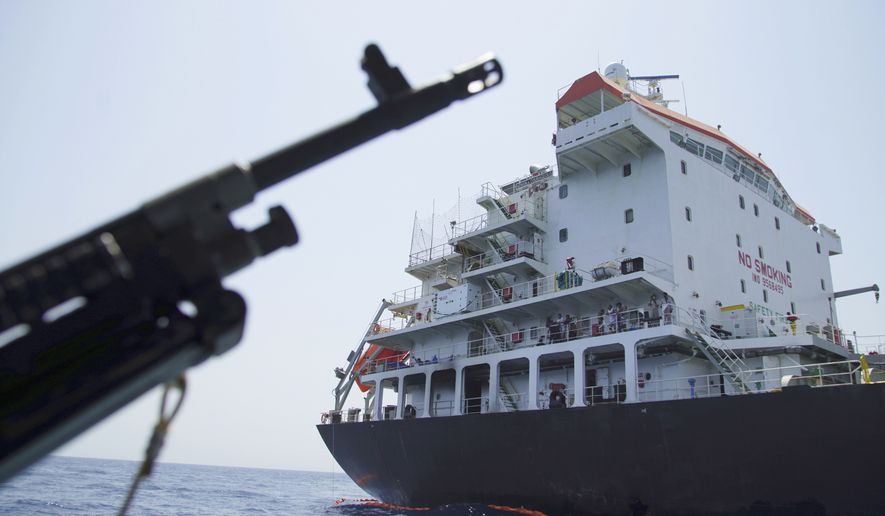
On Wednesday (24), Iran’s Revolutionary Guard naval forces intercepted and seized a foreign oil tanker transiting the Strait of Hormuz, according to Iranian officials.
Authorities claimed the vessel was involved in fuel smuggling, though specific details about its ownership remain undisclosed.
State-run media reported that 16 foreign crew members were detained during the operation. Officials did not release information regarding the crew’s nationalities or the tanker’s registered flag.
The ship was reportedly carrying approximately four million liters of fuel at the time it was stopped, according to Mojtaba Ghahramani, a senior official with Iran’s provincial justice department, who spoke to the IRNA news agency.
Pattern of Maritime Interceptions
This is not the first such incident in recent months. In November, Iranian forces seized another vessel in the same waterway, citing alleged violations including the transport of unauthorized cargo.
The repeated incidents have heightened concerns among shipping companies and international observers about the risks of transiting one of the world’s most critical maritime corridors.
Strategic Importance of the Strait of Hormuz
The Strait of Hormuz plays a central role in global energy markets. Roughly 20 percent of the world’s traded oil and about 25 percent of all seaborne oil shipments pass through the narrow passage each year.
Iran has repeatedly warned that it could restrict or block access to the strait in response to external pressure or regional conflict. Meanwhile, the U.S. Navy’s Fifth Fleet, headquartered in Bahrain, continues to patrol the area to help ensure freedom of navigation and protect commercial shipping.
Growing Risks to Global Trade
Analysts warn that continued instability across multiple maritime chokepoints could drive up shipping costs, disrupt supply chains, and increase insurance premiums for vessels operating in high-risk regions.
As tensions persist, governments and industry leaders are closely monitoring developments that could further impact global commerce and energy security.
About The Author