
Tramadol has been a common choice for managing chronic pain. Millions of people take it, often believing it is safer than stronger opioids. But new research challenges that perception.
A review of 19 clinical trials looked at more than 6,500 adults suffering from conditions such as osteoarthritis, fibromyalgia, neuropathic pain, and chronic back pain. Researchers compared tramadol to a placebo and found that it only slightly reduced pain. The relief was below what is considered meaningful in clinical practice.
Minimal Relief, High Risks
The study also highlighted serious risks. Patients taking tramadol reported both mild and severe side effects. Cardiovascular problems, including chest pain, heart failure, and coronary artery disease, occurred more often in the tramadol group.
Dr. Alopi Patel, a pain specialist at Icahn School of Medicine, noted, “The pain relief is modest. The risk of serious complications cannot be ignored.”
Tramadol is often seen as a “milder” opioid. Many doctors prescribe it to avoid stronger drugs like Percocet. But experts caution that milder does not mean safe. “It’s still an opioid,” said Dr. Marc Siegel, senior medical analyst for Fox News.
Study Limitations
Most trials lasted only two to sixteen weeks, making long-term outcomes unclear. The studies also combined different types of chronic pain, so the results may not apply to every patient. Some outcomes carried a high risk of bias, which could exaggerate benefits and downplay harms.
Dr. Siegel added, “Links between tramadol and cancer or heart disease are not proof of causation. Other factors matter.”
How Patients Can Stay Safe
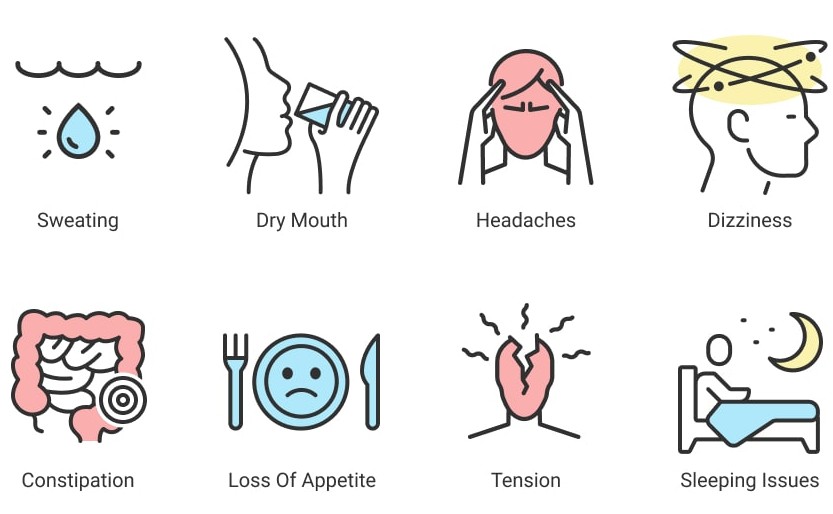
Experts urge patients not to stop tramadol abruptly. Withdrawal symptoms can be severe. Any changes in dosage should be discussed with a healthcare provider. Shared decision-making is key. Doctors and patients must weigh modest pain relief against potential health risks.
Key Takeaways
Tramadol remains widely prescribed, but it is not without risks. Even “mild” opioids can affect heart health. Patients and doctors should explore alternatives and carefully evaluate whether tramadol is the right choice. Pain management requires caution, awareness, and open communication between patients and clinicians.
About The Author