The US Department of Justice released the first batch of long-awaited documents connected to Jeffrey Epstein on Friday. Congress had ordered the department to make all unclassified files public by the deadline.
The release drew immediate attention. It also triggered sharp criticism. Lawmakers from both parties accused the department of failing to comply with the law. DOJ officials admitted they could not publish all materials on time. Thousands of pages remain unreleased.
The files include photos, videos, investigative records, and witness statements. Many pages contain heavy redactions. Others are entirely blacked out. Critics say the omissions undermine the purpose of the transparency law.
Familiar names appear in early documents
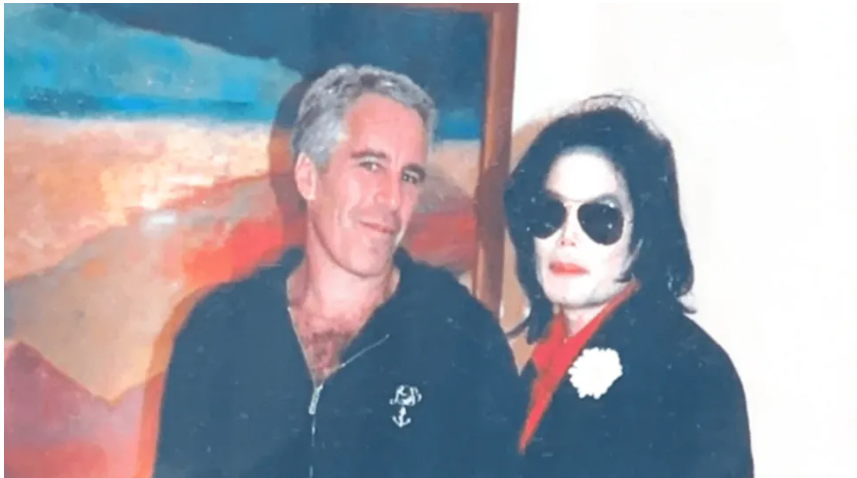
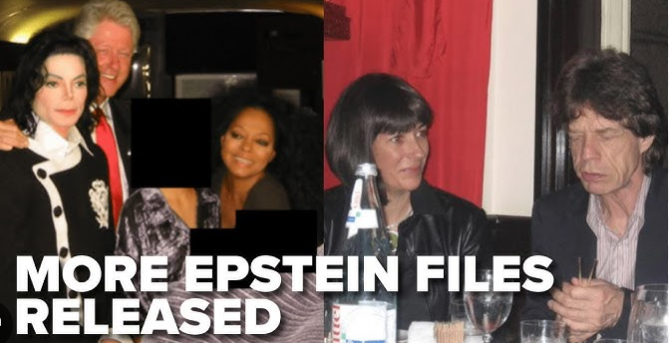
The first tranche includes several high-profile figures. Among them are former US president Bill Clinton, Britain’s Andrew Mountbatten-Windsor, and music icons Mick Jagger and Michael Jackson.
Officials stressed one point repeatedly. Being named or photographed does not suggest criminal behavior. Many individuals identified in the files have denied wrongdoing. Survivors have not accused several of those shown.
Clinton photos draw the most focus
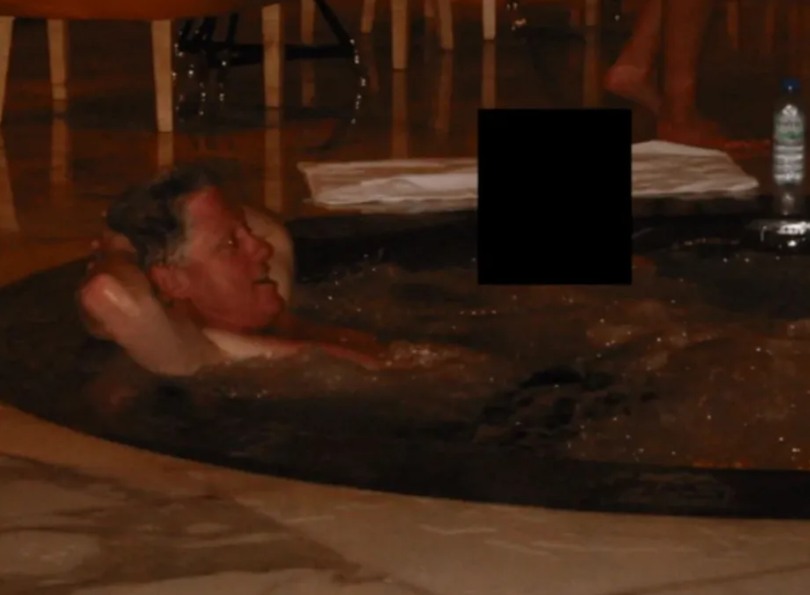
Several released images show Bill Clinton. One photo captures him swimming in a pool. Another shows him relaxing in what appears to be a hot tub. Additional images show Clinton and Epstein together at social events.
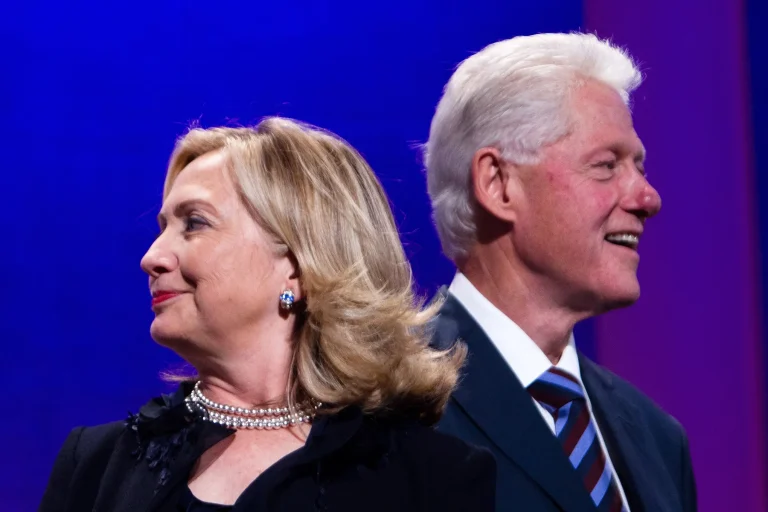
Clinton appeared with Epstein multiple times in the 1990s and early 2000s. This occurred before Epstein’s first arrest. Clinton has denied knowing about Epstein’s sexual crimes. No survivor has accused him of misconduct.
A spokesperson for Clinton dismissed the images as outdated. The photos date back more than two decades, the spokesperson said. He added that Clinton cut ties with Epstein long before the crimes became public.
Trump mentioned in court filings
The documents also contain limited references to Donald Trump. One court filing alleges Epstein introduced Trump to a 14-year-old girl at Mar-a-Lago in the 1990s.
The filing describes an uncomfortable encounter. It does not accuse Trump of wrongdoing. The woman involved makes no claims against him. Trump has acknowledged knowing Epstein in the past. He says their relationship ended around 2004. He continues to deny any misconduct.
After the release, Trump’s political operation shared images of Clinton online. The move highlighted the partisan tension surrounding the disclosure.
Prince Andrew and celebrity images raise questions
Another photo appears to show Prince Andrew reclining across several individuals. Their faces are redacted. Ghislaine Maxwell stands behind them in the image. Epstein does not appear in the photo.
Prince Andrew has faced scrutiny for years over his ties to Epstein. He has repeatedly denied any wrongdoing. He says he never witnessed criminal behavior.
Other images show Epstein with entertainers such as Michael Jackson, Diana Ross, and actor Chris Tucker. The files provide little context. The timing and location of many photos remain unclear.
Early accuser’s account resurfaces
The documents also revisit claims made by one of Epstein’s earliest accusers. Artist Maria Farmer reported Epstein to authorities in the 1990s. She told investigators he stole personal photographs of her underage sisters.
Farmer said Epstein threatened to burn down her home if she spoke out. Her name appears redacted in the files. She later confirmed the account publicly. She said the release brings long-overdue validation.
More records still pending
The DOJ says the release marks only the first phase. Deputy Attorney General Todd Blanche said officials are reviewing several hundred thousand additional pages. More releases will follow.
That explanation has not satisfied lawmakers. Congressman Ro Khanna helped push the disclosure law with Republican Thomas Massie. He accused the DOJ of failing to follow the statute. He warned that Congress could take further action.
For now, the documents reopen a dark chapter in recent US history. They raise new questions. They also intensify pressure on the Justice Department to release what remains unseen.
About The Author