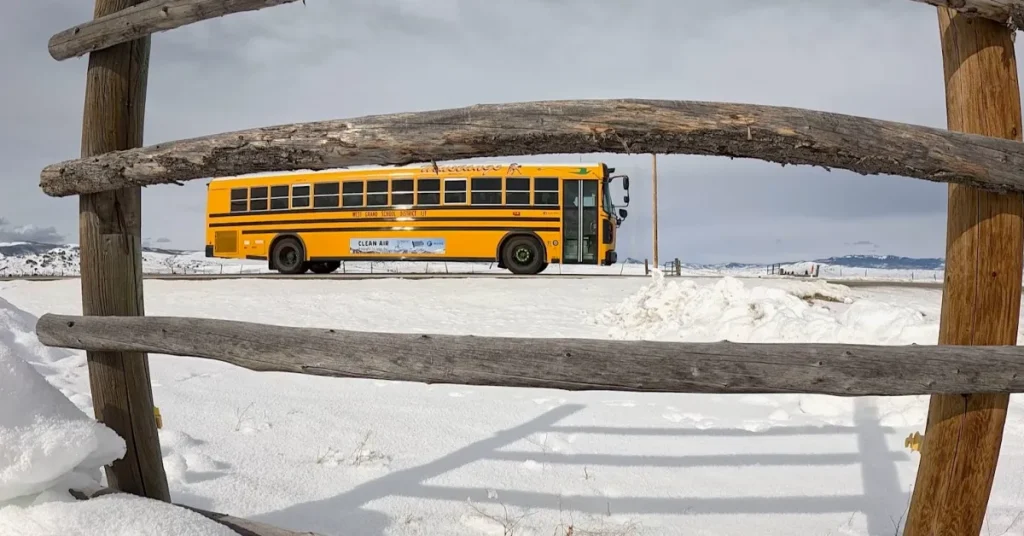
Concerns surrounding electric vehicles are gaining renewed attention as more public institutions move away from traditional fuel-powered transportation. A recent local news report is highlighting potential challenges tied to electric school buses—especially in colder climates.
Just days after Ford Motor Company disclosed a major financial setback linked to its electric vehicle investments, a report from WIVB-TV shed light on issues emerging in parts of New York, where schools are transitioning to electric buses under a statewide mandate.
Parents Raise Concerns Over Electric School Buses in Cold Weather
As districts work to comply with new requirements for electric school bus purchases, parents in the Lake Shore Central School District say students are already feeling the impact. According to the WIVB report, some bus drivers are limiting cabin heating to conserve battery power, resulting in noticeably colder rides for children during winter mornings.
Several parents told the station that their children have come home describing uncomfortably cold conditions inside the buses. In response, some families have begun sending students with hand warmers to help them stay warm during their commute.
Battery Limitations and Reliability Issues Reported
One key issue involves how electric buses manage power. The heating systems draw energy from the same battery used to operate the vehicle, meaning increased heat can reduce driving range. Parents interviewed by WIVB also reported multiple instances of electric buses breaking down mid-route.
In one case, a mechanical failure caused significant delays, leaving students waiting outdoors for more than 30 minutes while a replacement bus was arranged. Parents noted that some children spend extended periods on their routes, raising concerns about comfort and reliability during extreme weather conditions.
Cold Weather EV Performance Has Been Previously Noted
Transportation analysts have long warned that electric vehicles can experience reduced range and performance in cold temperatures. Even PBS has previously reported that winter conditions can significantly impact EV efficiency and charging reliability.
The national push toward electric vehicle adoption expanded during the administration of Joe Biden, driven by federal incentives and climate-focused transportation goals. While supporters emphasize environmental benefits, critics argue that infrastructure readiness and regional climate differences require closer evaluation—particularly when student transportation is involved.
Ongoing Debate as Schools Adapt to EV Mandates
As more school districts transition to electric fleets, parents and educators are calling for ongoing assessments of safety, performance, and student comfort. For many families, the discussion extends beyond policy goals to practical realities, especially in states where winter weather is a constant factor.
School officials continue to monitor the situation as districts balance environmental objectives with the day-to-day needs of students and families.
About The Author