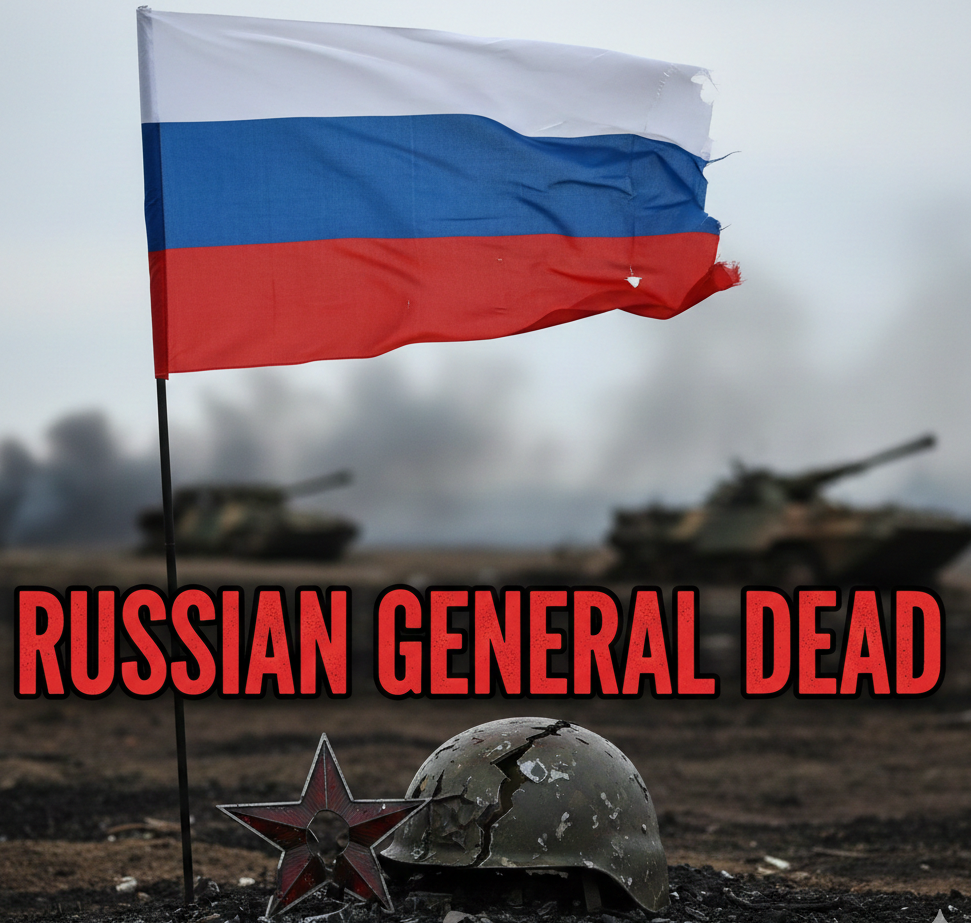
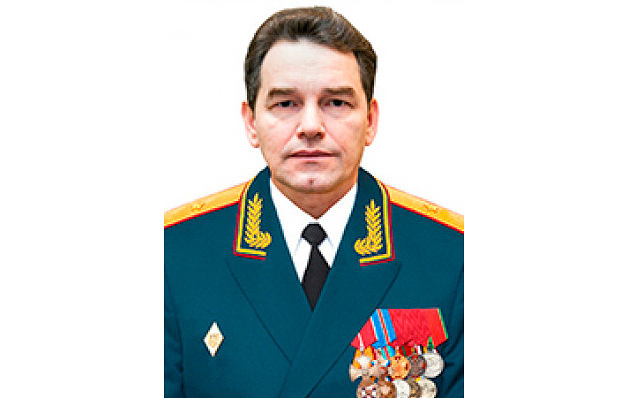
A senior Russian military officer, Lt. Gen. Fanil Sarvarov, died Monday morning in a car bombing in Moscow, marking the latest attack on top officials amid the Ukraine conflict. Early reports show that an explosive device detonated under his car in southern Moscow, leaving the vehicle badly damaged. State media immediately released footage of the wrecked vehicle, drawing attention across the country.
High-Ranking Officer Targeted
Sarvarov, 56, led the armed forces’ operational training department for nearly a decade. In addition, he organized military operations abroad, including missions in Syria. Investigators are exploring multiple motives, and one theory suggests Ukrainian special services may have carried out the attack.
Soon after the explosion, President Vladimir Putin received notification through special service channels. However, the Kremlin has not provided additional comments yet.
Part of a Growing Pattern of Assassinations
This incident continues a troubling trend of high-profile killings of Russian officials. For example, Lt. Gen. Yaroslav Moskalik died in a car bombing near Moscow in April. Likewise, Gen. Igor Kirillov, head of Russia’s nuclear and chemical weapons protection forces, died last year from a bomb attached to a scooter. Earlier this year, Armen Sarkisyan, founder of a pro-Russian militia, died in February following another explosion.
Moreover, political and media figures have also faced deadly attacks. In 2022, Darya Dugina, a nationalist activist, was killed. Similarly, Vladlen Tatarsky, a pro-war blogger, died in a bombing in St. Petersburg in April 2023. These incidents demonstrate that the risks extend beyond military leadership.
Rising Tensions and Broader Implications
The death of Lt. Gen. Sarvarov underscores the dangers that Russian military leaders face. Furthermore, it illustrates the ongoing intensity of the Ukraine conflict, even within Moscow. Analysts warn that senior officials remain vulnerable, and the attack highlights the broader stakes in this high-risk environment. Consequently, it raises questions about security protocols and the potential for further targeted strikes.
About The Author