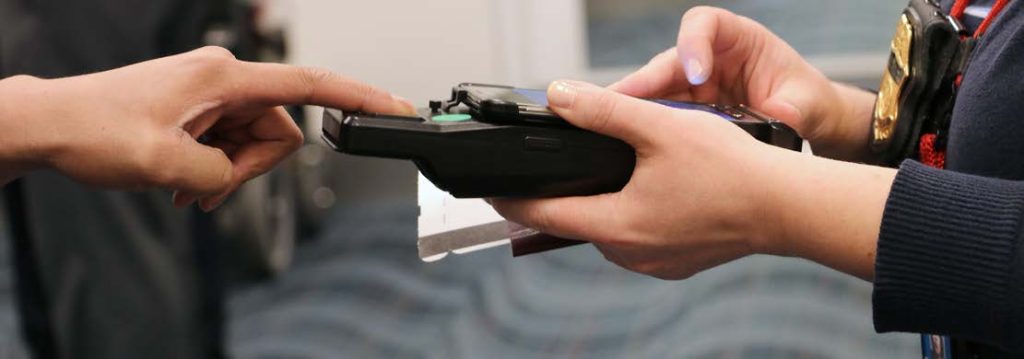
The United States will begin a nationwide biometric entry-exit programme on December 26, 2025. The new system will change how foreign travelers enter and leave the country. From that date, all non-US citizens must complete facial biometric checks at US borders.
The rule applies to airports, land crossings, seaports, private aircraft terminals, vehicle lanes, and pedestrian exits. Biometric screening will become a standard part of travel to and from the US.
From Trials to Full Implementation
For years, US authorities tested biometric checks through pilot programmes. Now, the government has finalized the rules and made the system permanent. Officials have also removed previous exemptions, including those for diplomats and most Canadian travelers.
With these changes, facial recognition moves from limited use to nationwide border enforcement.
Why the US Is Expanding Biometric Controls
US Customs and Border Protection says the programme strengthens border security and speeds up identity checks. Officers can confirm identities faster and rely less on manual document inspections.
The push gained momentum after a 2017 executive order called for faster rollout of biometric tracking. Since then, the Department of Homeland Security has invested heavily in technology and infrastructure.
How the Technology Works
The system relies on the Traveler Verification Service, a cloud-based platform run by DHS. Border officers capture a facial image and match it to passport and visa records already on file.
DHS says the technology helps detect visa fraud, track overstays, confirm departures, and prevent illegal re-entry. It also helps authorities identify individuals tied to criminal activity or security threats.
What This Means for Travelers
The new rule applies only to non-US citizens. US citizens do not have to take part. Those who choose not to use facial recognition can request a manual passport check instead.
For foreign travelers, biometric screening will become routine. The process is designed to be quick and mostly automated.
Privacy and Data Retention
DHS says it has taken steps to protect personal data. The department has published multiple privacy assessments covering data use and storage.
Photos of US citizens are deleted within 12 hours. Biometric records of non-citizens may remain in government systems for up to 75 years, in line with federal rules.
A New Normal at US Borders
Once the programme begins, millions of international travelers will encounter facial biometric checks every year. The system marks a clear shift toward technology-driven border control and tighter tracking of arrivals and departures
About The Author