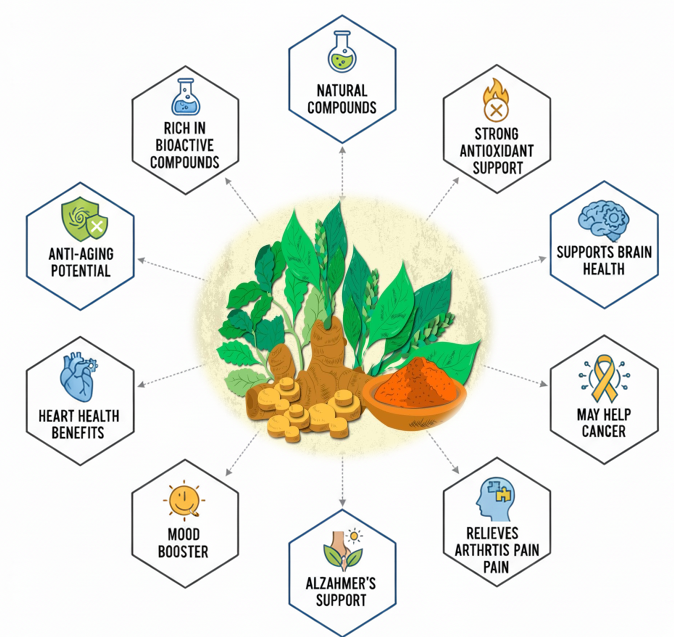
Turmeric is a golden spice from the ginger family. It has been used in India for thousands of years for cooking and medicine. Its main active compound, curcumin, gives most of its health benefits. Curcumin is known for anti-inflammatory, antioxidant, and brain-supporting properties.
While turmeric is beneficial, it should not replace medical treatment. It may interact with some medications. Always consult a doctor before taking high-dose supplements.
1. Rich in Bioactive Compounds
Turmeric contains curcuminoids, compounds that may boost the immune system and gut health. Curcumin dissolves in fat, so it absorbs better when eaten with healthy oils.
2. Natural Anti-Inflammatory
Curcumin fights inflammation naturally. It may help with arthritis and other chronic inflammatory conditions.
3. Strong Antioxidant Support
Curcumin neutralizes harmful free radicals. This protects cells from oxidative stress. It may lower the risk of aging-related diseases.
4. Supports Brain Health
Curcumin may boost brain-derived neurotrophic factor (BDNF), a protein important for memory and learning. Higher BDNF levels help improve brain function and may lower the risk of depression and Alzheimer’s disease.
5. Heart Health Benefits
Curcumin supports heart health by reducing inflammation, improving blood vessel function, and preventing oxidative damage. It may lower the risk of cardiovascular disease.
6. May Help Fight Cancer
Curcumin can affect cancer cell growth and survival. Studies suggest it may slow tumor development and trigger cancer cell death. However, it should never replace conventional cancer treatment.
7. Alzheimer’s Support
Curcumin protects brain cells from inflammation and oxidative damage. This may help slow cognitive decline. More research is needed.
8. Relieves Arthritis Pain
Curcumin can reduce joint pain and stiffness. Some studies show results similar to NSAIDs, especially for osteoarthritis or rheumatoid arthritis.
9. Mood Booster
Curcumin supports brain chemistry. It may increase serotonin and dopamine, reduce inflammation, and improve brain plasticity. These effects may help alleviate depression.
10. Anti-Aging Potential
By reducing inflammation and oxidative stress, curcumin may support longevity. It may also lower the risk of age-related diseases like heart disease, cancer, and Alzheimer’s.
What to Know Before Taking Turmeric
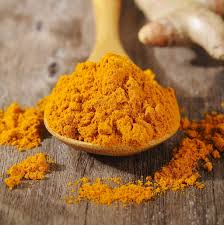
Turmeric is generally safe in small daily amounts (up to 10 g). Some people may get mild digestive issues like diarrhea or nausea.
Pregnant or nursing women, and those with gallbladder, kidney, or bleeding problems, should consult a doctor before using turmeric or high-dose curcumin. Following these precautions helps you enjoy its benefits safely.
Bottom Line
Turmeric and curcumin offer a wide range of health benefits. They support brain function, mood, heart health, and joint health. They are natural anti-inflammatory and antioxidant agents.
Research is ongoing, but incorporating turmeric into your diet or taking supplements can be a safe, natural boost for overall wellness.
About The Author