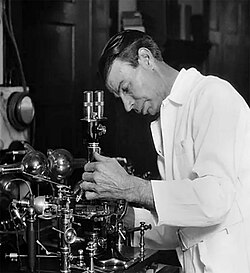
Royal Raymond Rife, born in 1888, was an American inventor and researcher known for his innovative microscopes and bold claims about disease. He believed that each microbe had its own frequency and that targeting these frequencies could destroy harmful pathogens, including those he thought caused cancer.
The Super Microscope and Revolutionary Ideas
In the 1920s and 1930s, Rife built a “super microscope” that magnified living microbes far beyond the limits of standard instruments of the era. Using this device, he claimed he could see previously invisible microorganisms linked to serious illnesses. He theorized that precise electromagnetic frequencies could destroy these microbes without harming healthy tissue.
The 1934 Clinic: A Legendary Claim
In 1934, Rife reportedly opened a clinic in California. Supporters say he treated 16 patients with advanced cancer using his frequency-based machine—and all 16 recovered. These claims fueled decades of fascination, although mainstream medicine does not verify the results.
Poisoned and Silenced
Some accounts suggest that Rife faced serious opposition from medical authorities and powerful industry interests. Stories claim he was poisoned and pressured, preventing him from presenting his cancer cure to a wider audience. Supporters argue that these actions aimed to suppress his work and maintain conventional treatments, though historians note that evidence for this remains limited.
Controversy and Modern Science
Despite the intrigue, scientists have found no credible evidence that Rife’s devices cure cancer. Regulatory agencies like the FDA do not approve Rife machines for treatment, and health organizations warn that relying on them instead of proven therapies can be dangerous. Lab studies on electromagnetic effects on cells do not translate to cures in humans.
A Legacy of Curiosity and Caution
Rife remains a figure of fascination in alternative medicine circles. His microscopes and microbial theories were ahead of his time, but claims of curing cancer remain unproven. His story combines innovation, intrigue, and conspiracy, while reminding us to critically evaluate claims of “miracle cures.”
About The Author